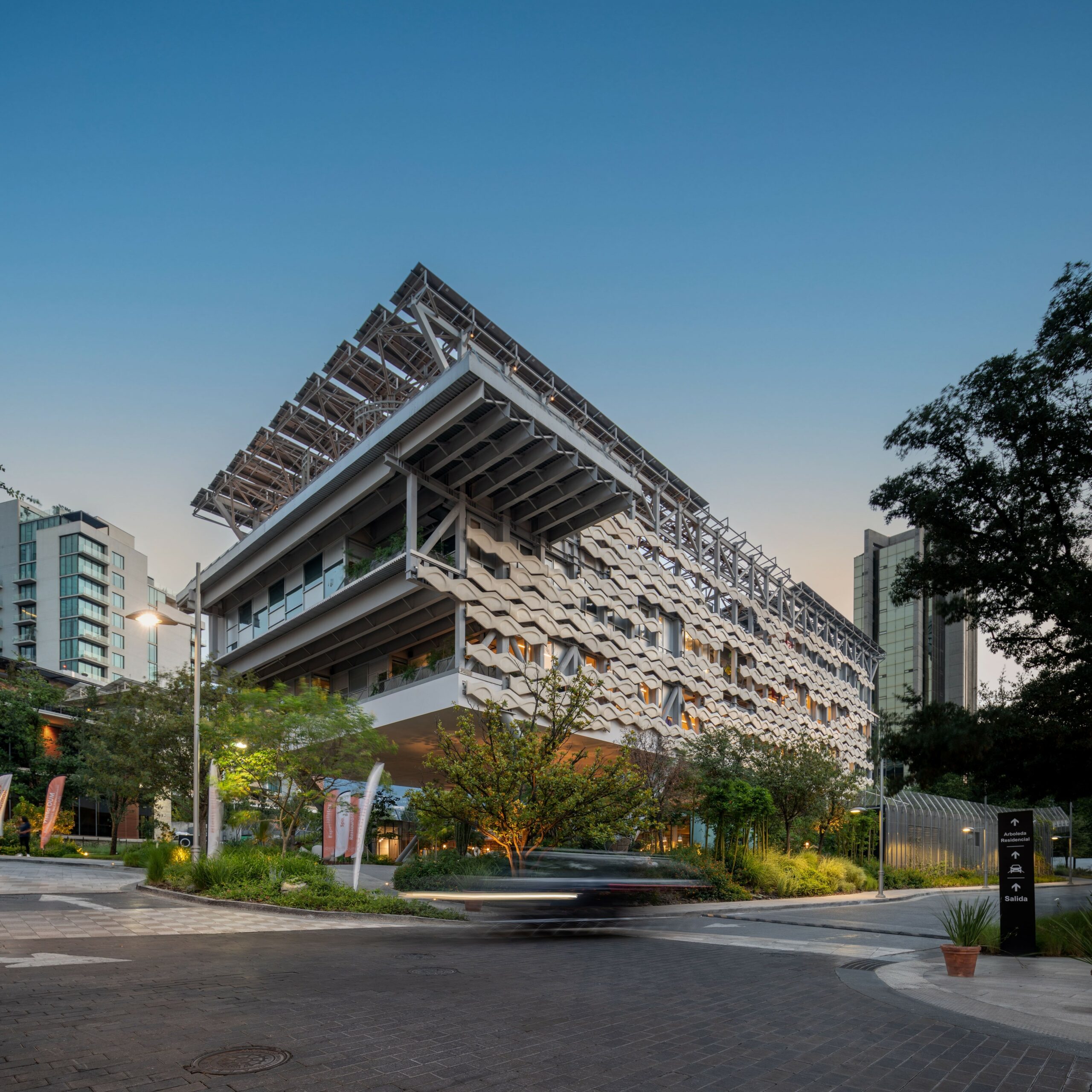
Delta Business Center
Viladecans, Barcelona, Spain
Project Details
Year: 2025
Surface Area: 11,326 m2
Status: Built
Typology: Offices
Photography: Aldo Amoretti
More Information
Project: PichArchitects
Project Manager: Dalmau+Morros
Construction: Calaf
Structural Engineering: Precon
Site Management: PichArchitects
Executive Management: Dalmau+Morros
MEP Engineering: Suris
Certifications: LEED and WELL (in progress)
Location
General Information
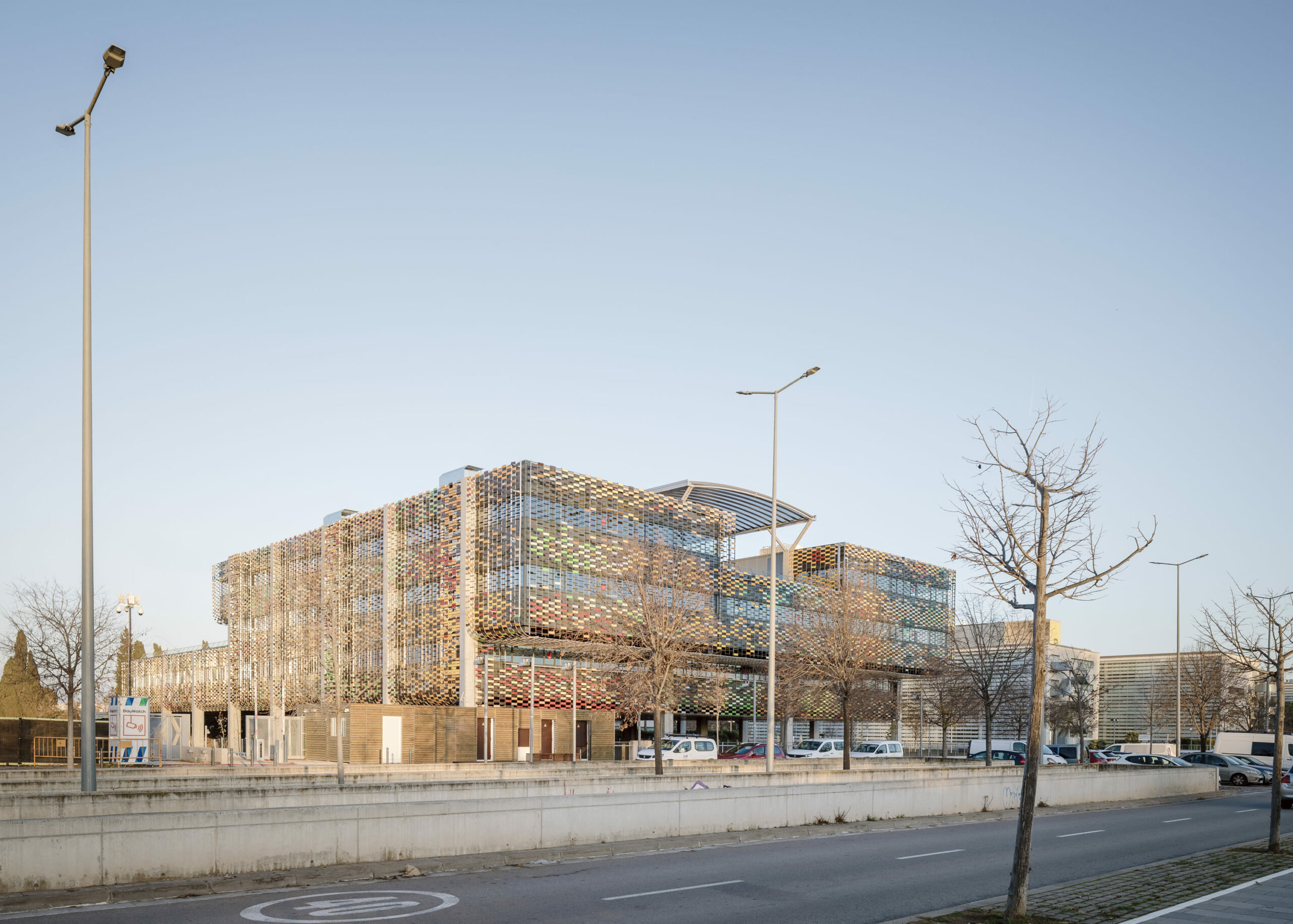
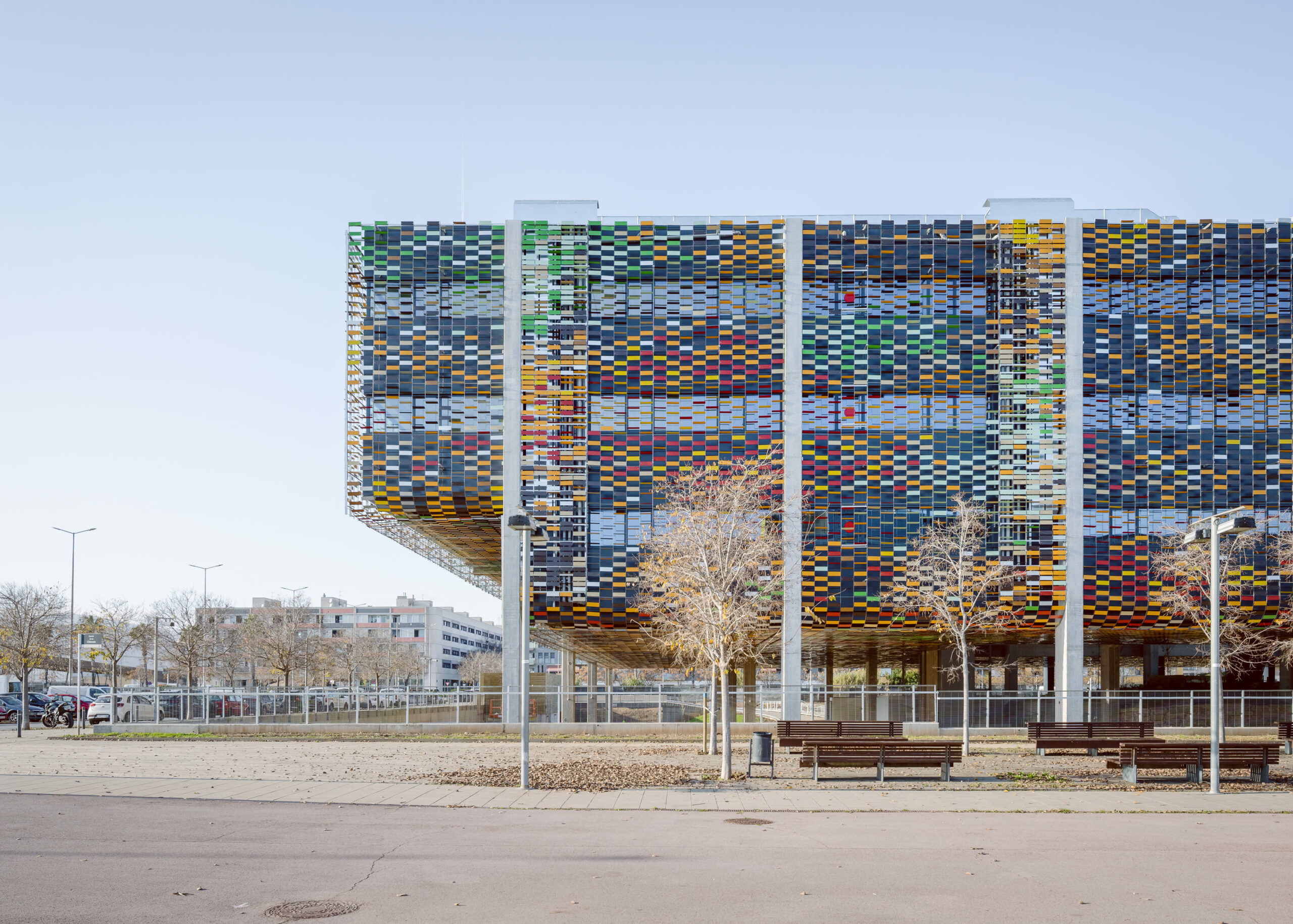
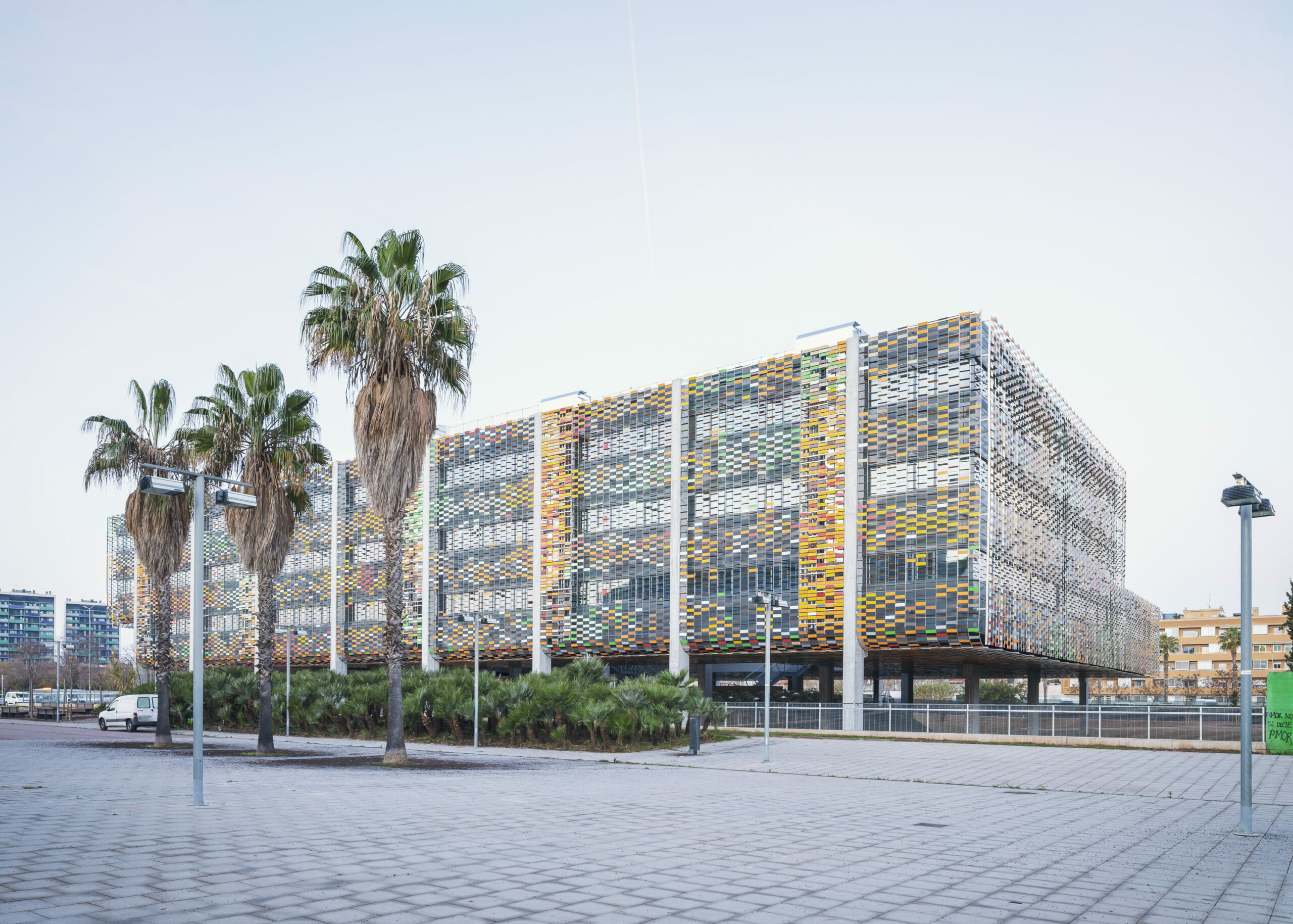
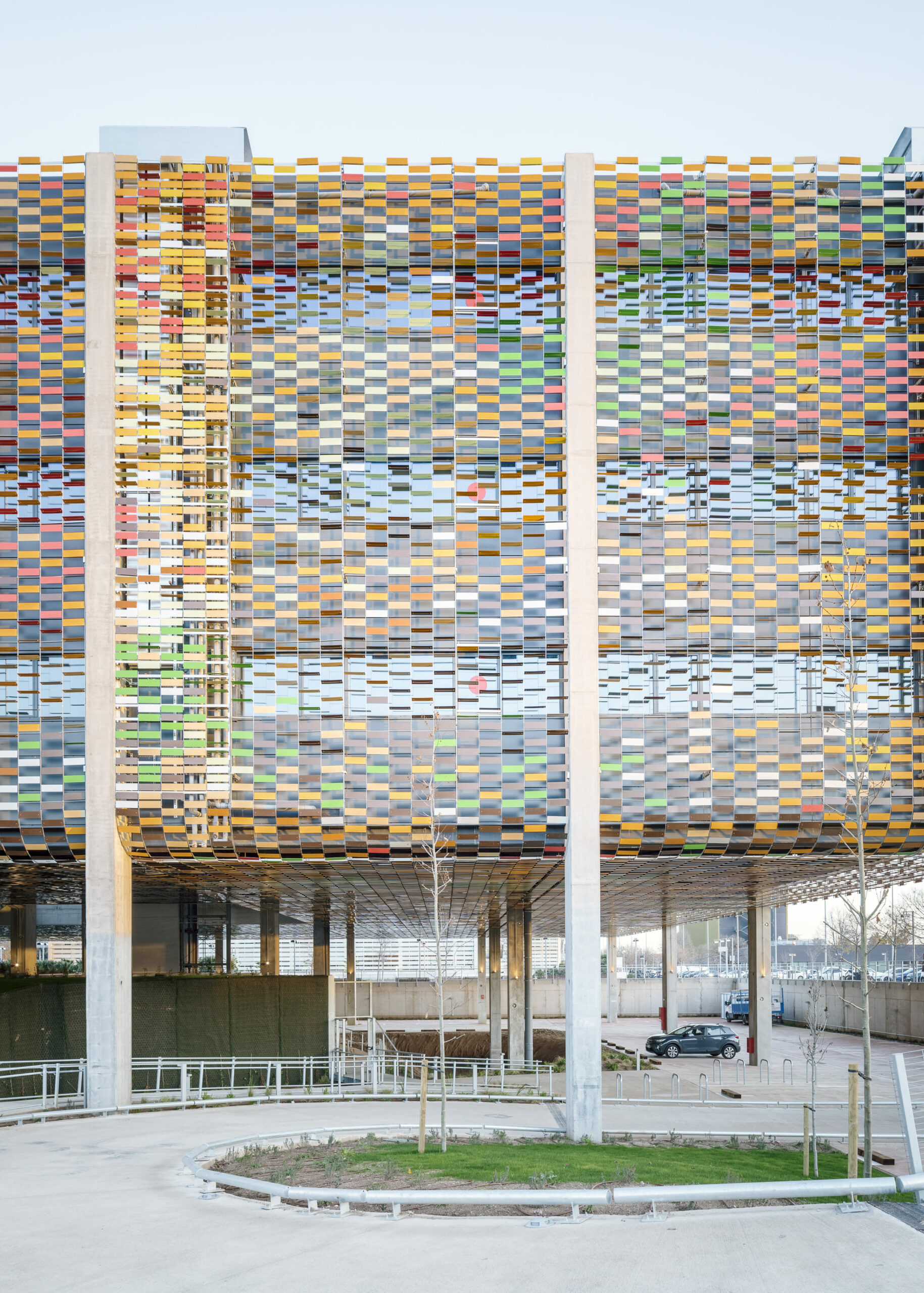
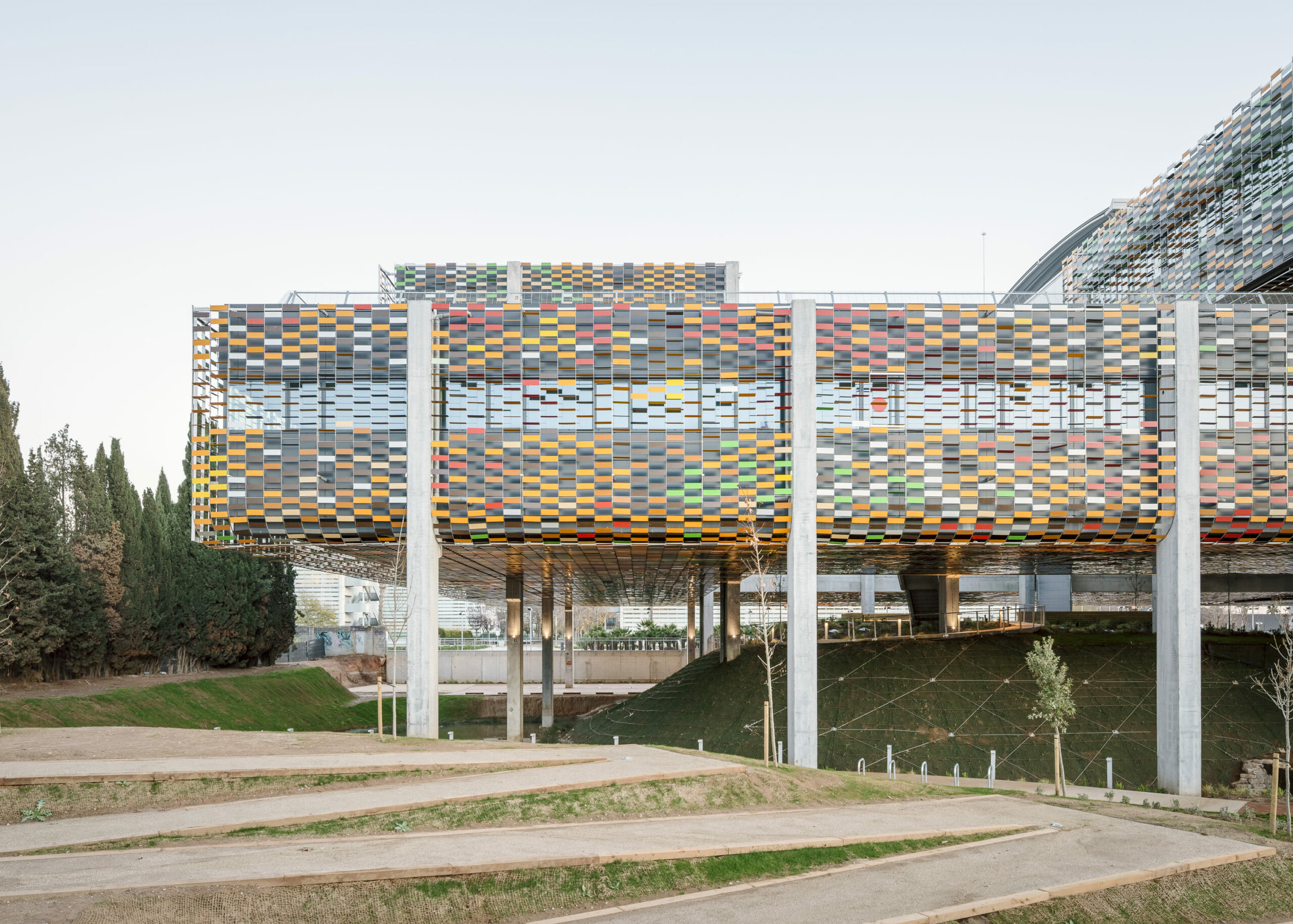
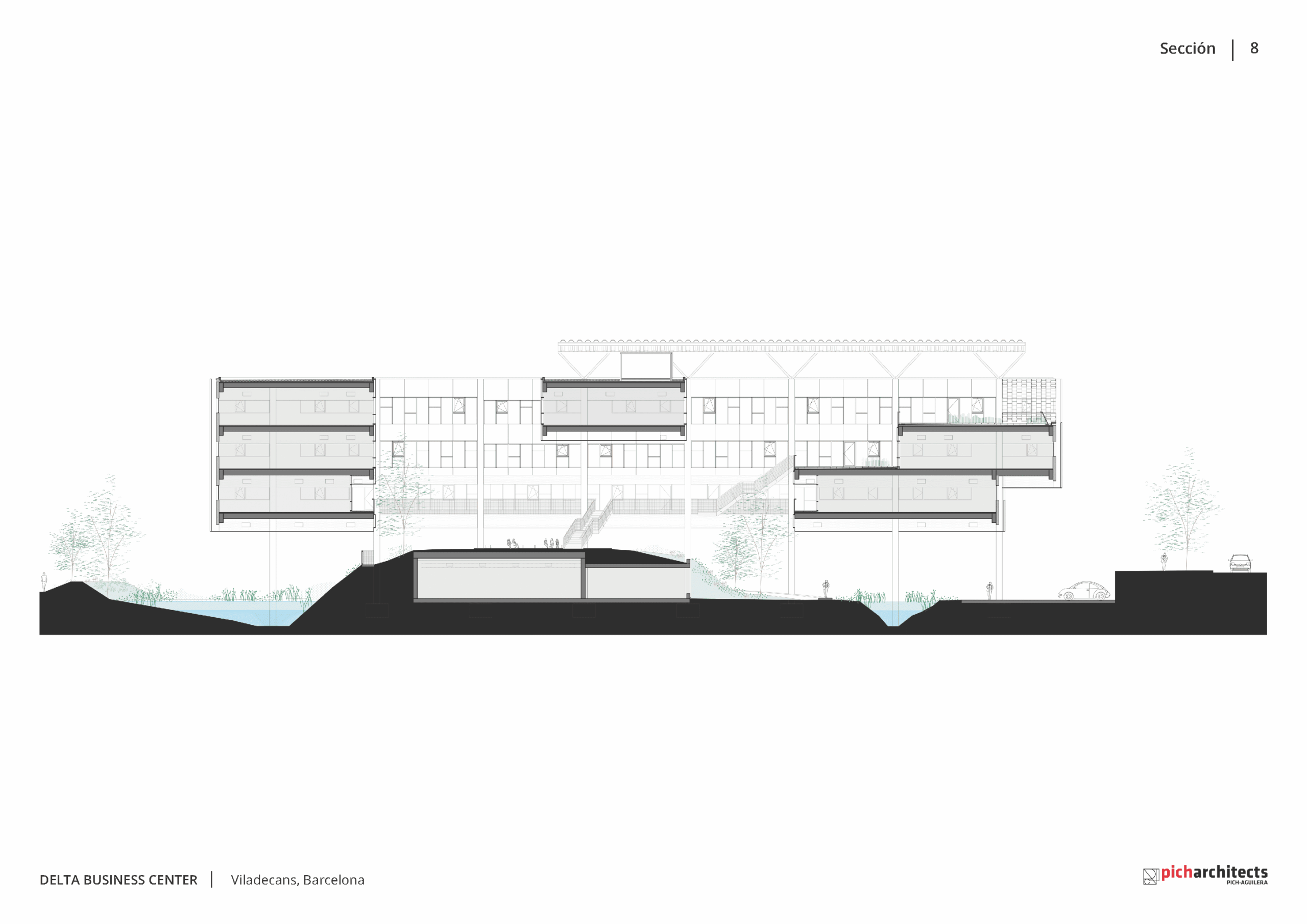
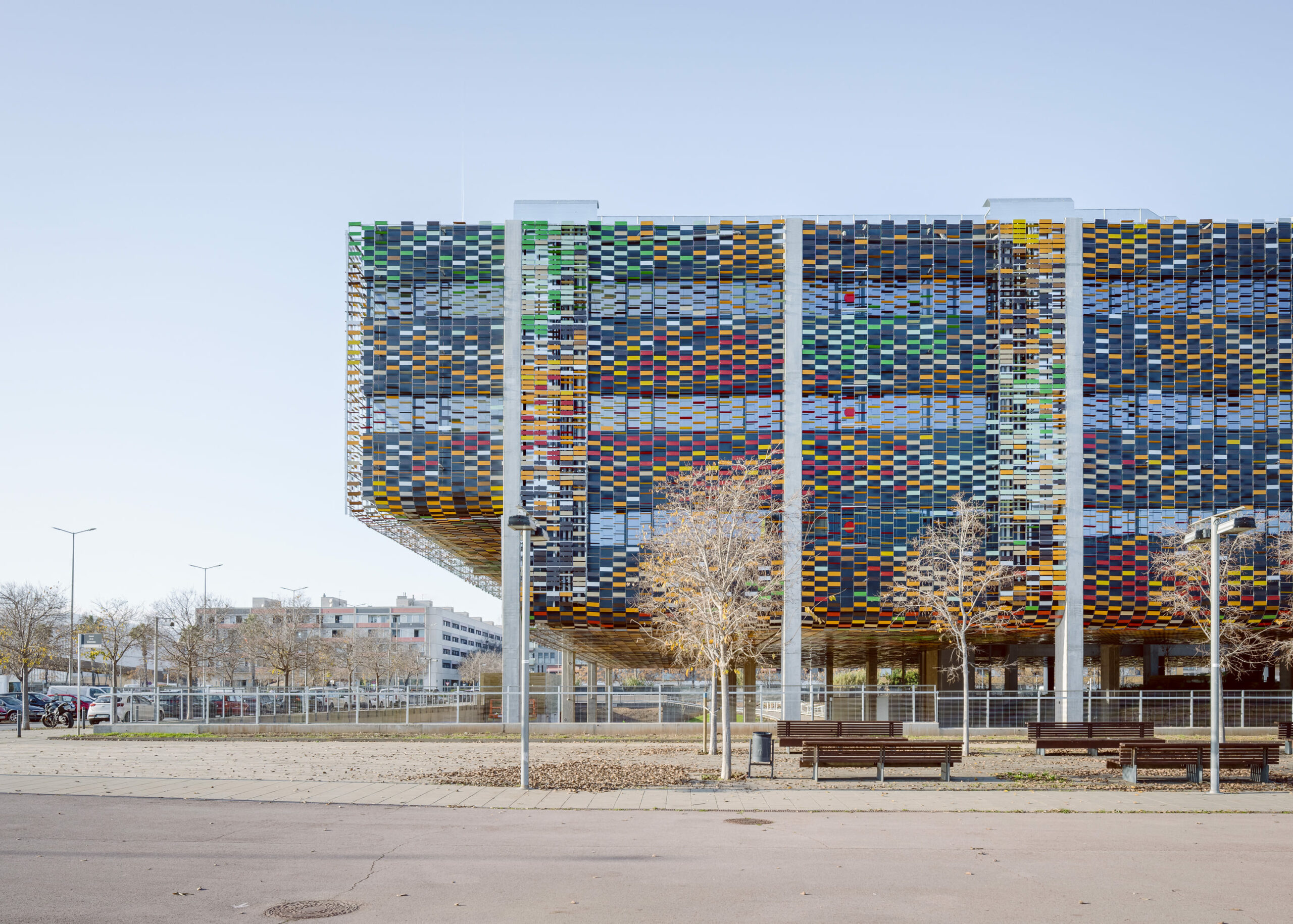
The building is conceived as a suspended volume through which the landscape and its topography flow freely.
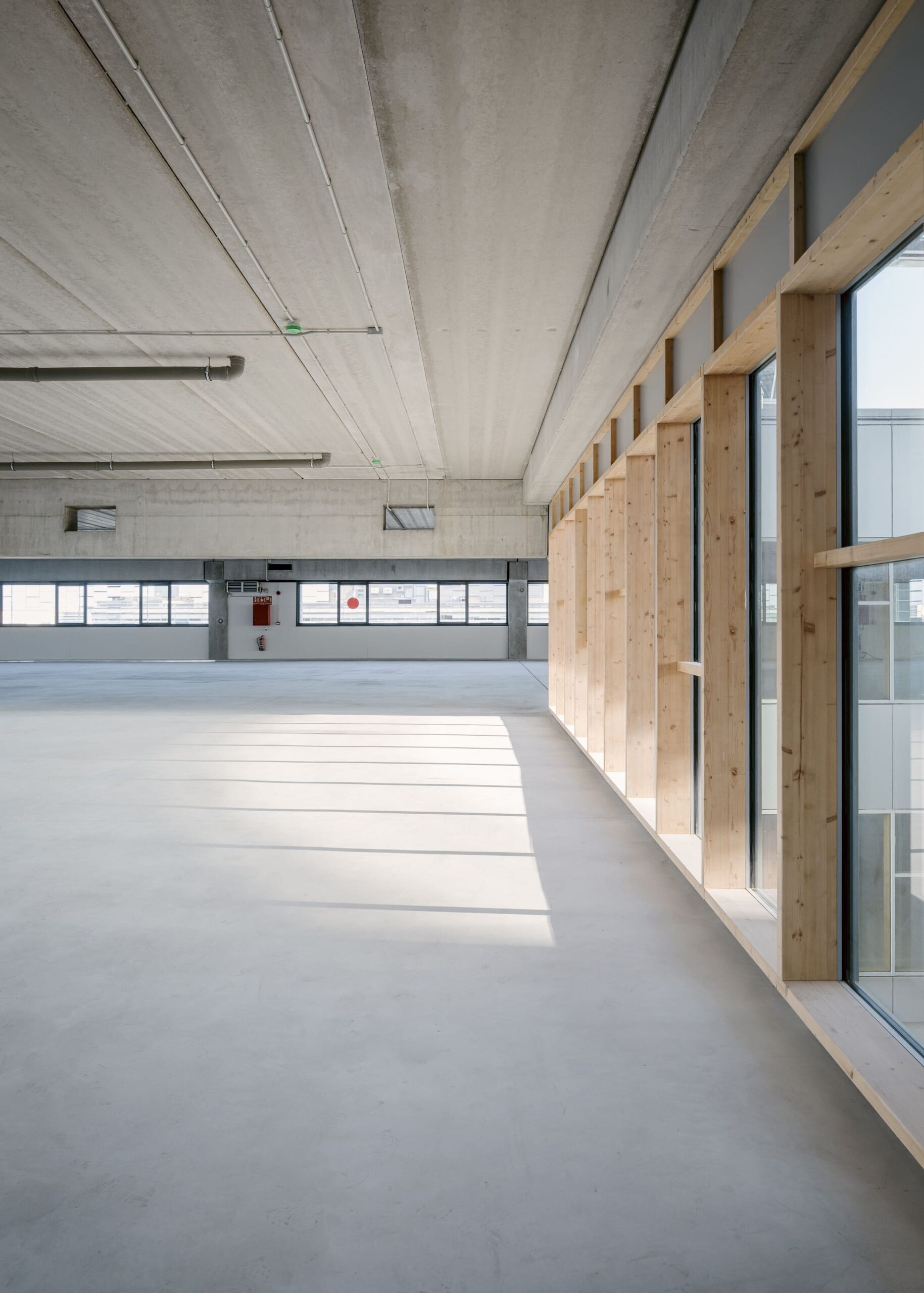
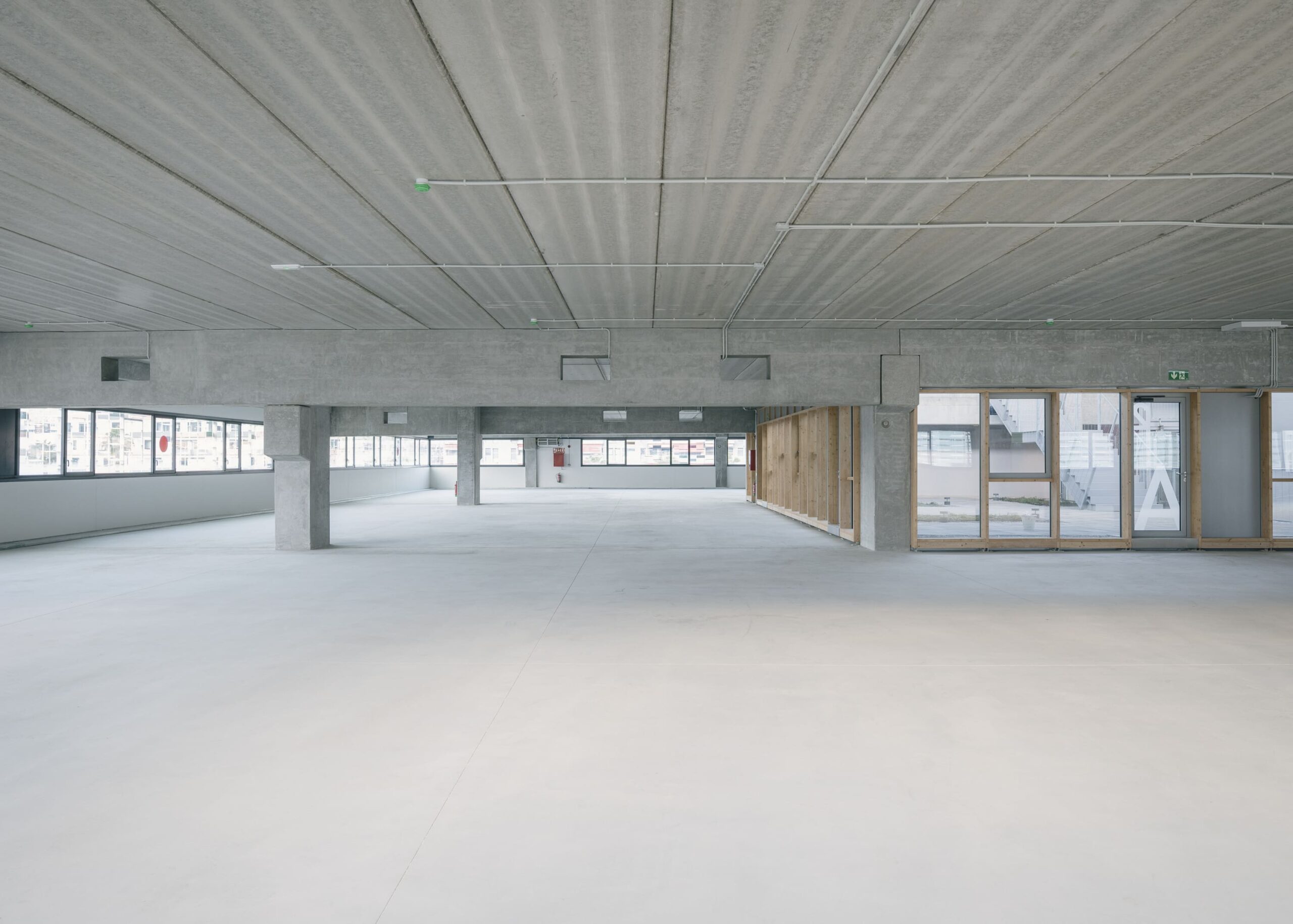
The project proposes an open spatial system, not predefined. The interior spaces are flexible, prepared to accommodate future changes of use.
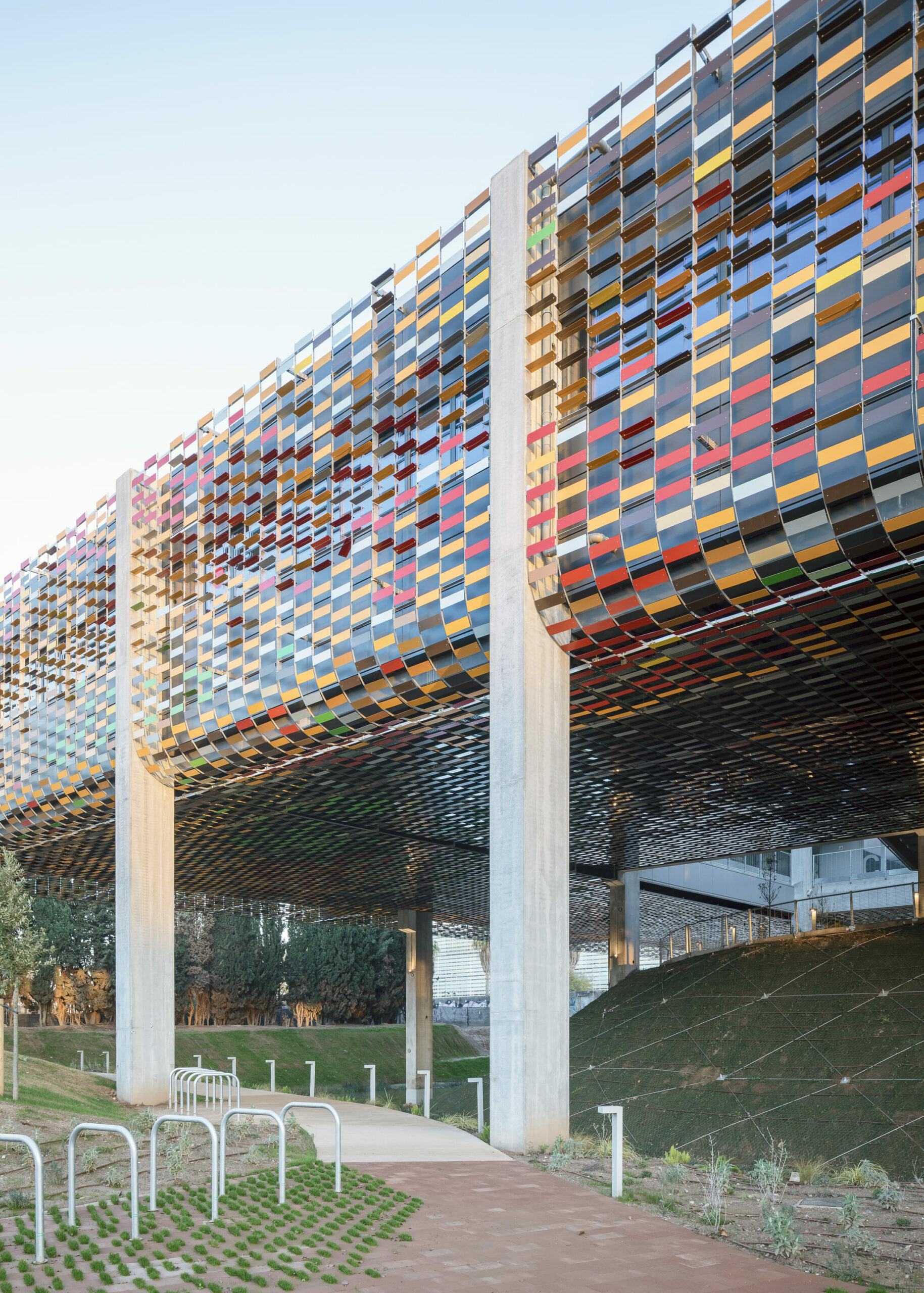
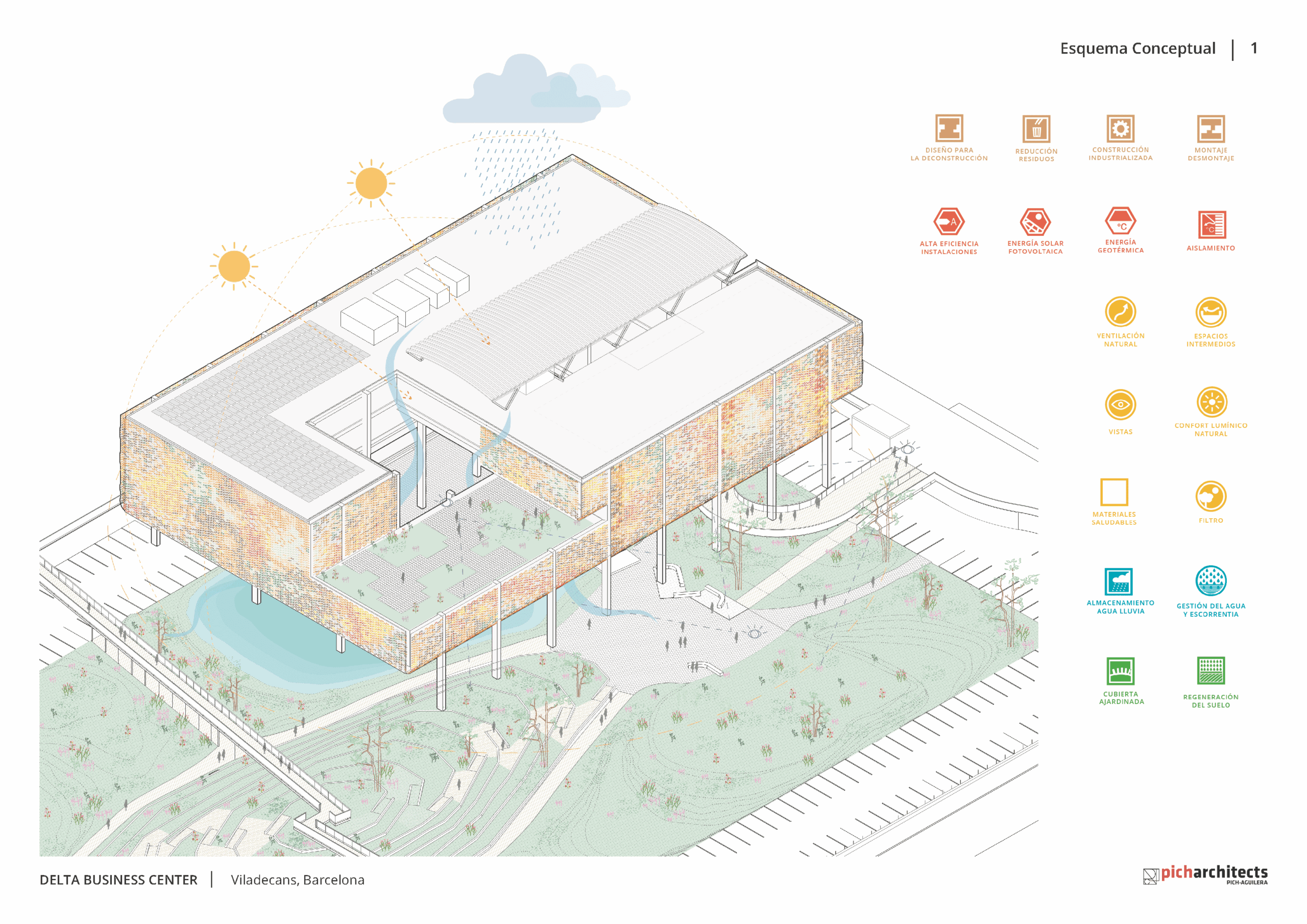
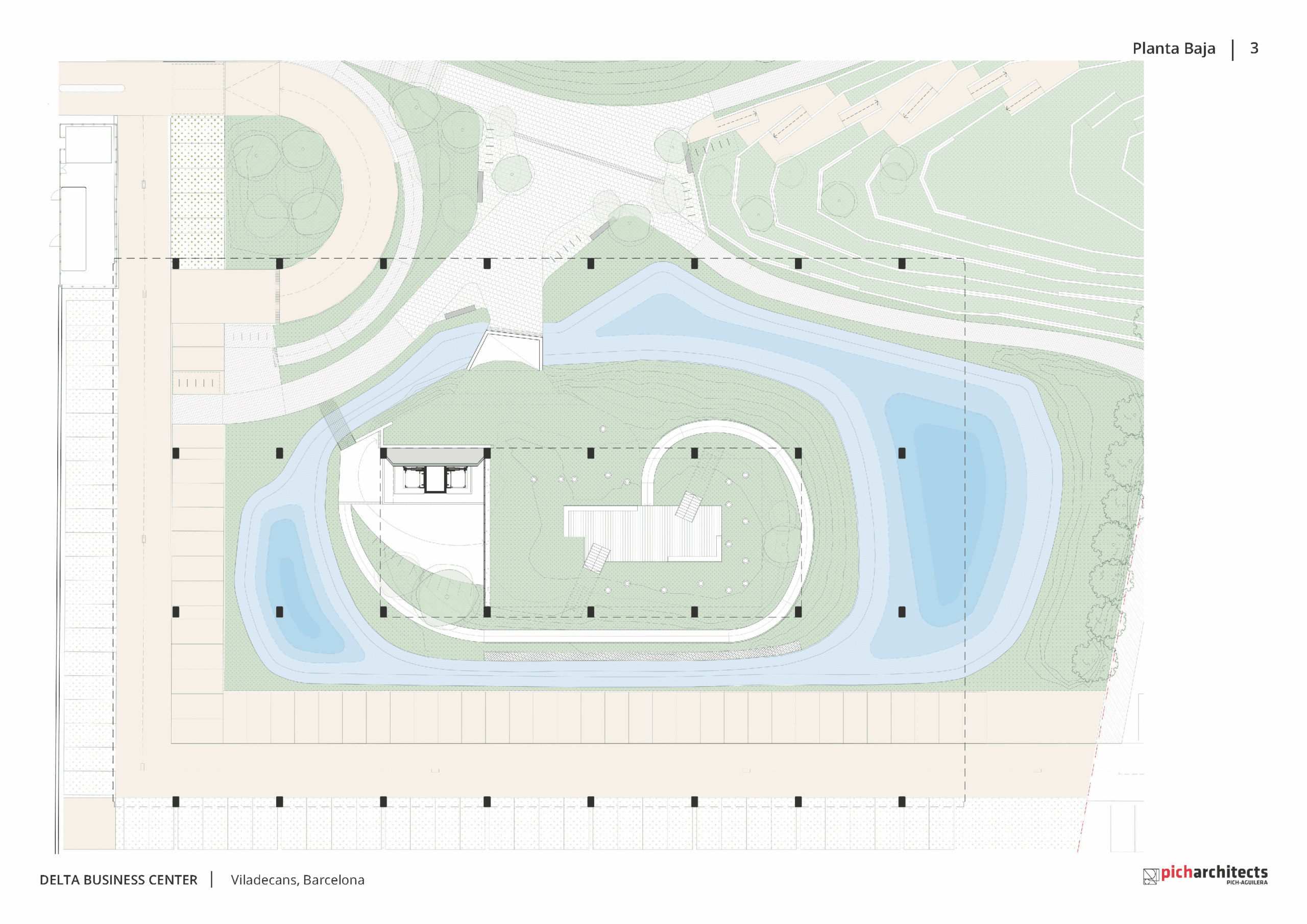
By elevating the building, the ground is returned to the landscape, enabling ecological continuity, natural water management, and the activation of the lower space as climate infrastructure. This green urban realm acts as a passive thermodynamic system that contributes to thermal regulation, improved comfort, and reduced energy consumption.
Location and Site
The project is located on a portion of natural land framed by the intersection of streets that today form the urban grid. It consists of four plots whose surface still preserves part of the vegetation and topography characteristic of the former marshlands of the river delta.
The surrounding urban development has its ground level above the natural terrain, forming a natural basin, like a unique campus for which our building sets the tone.
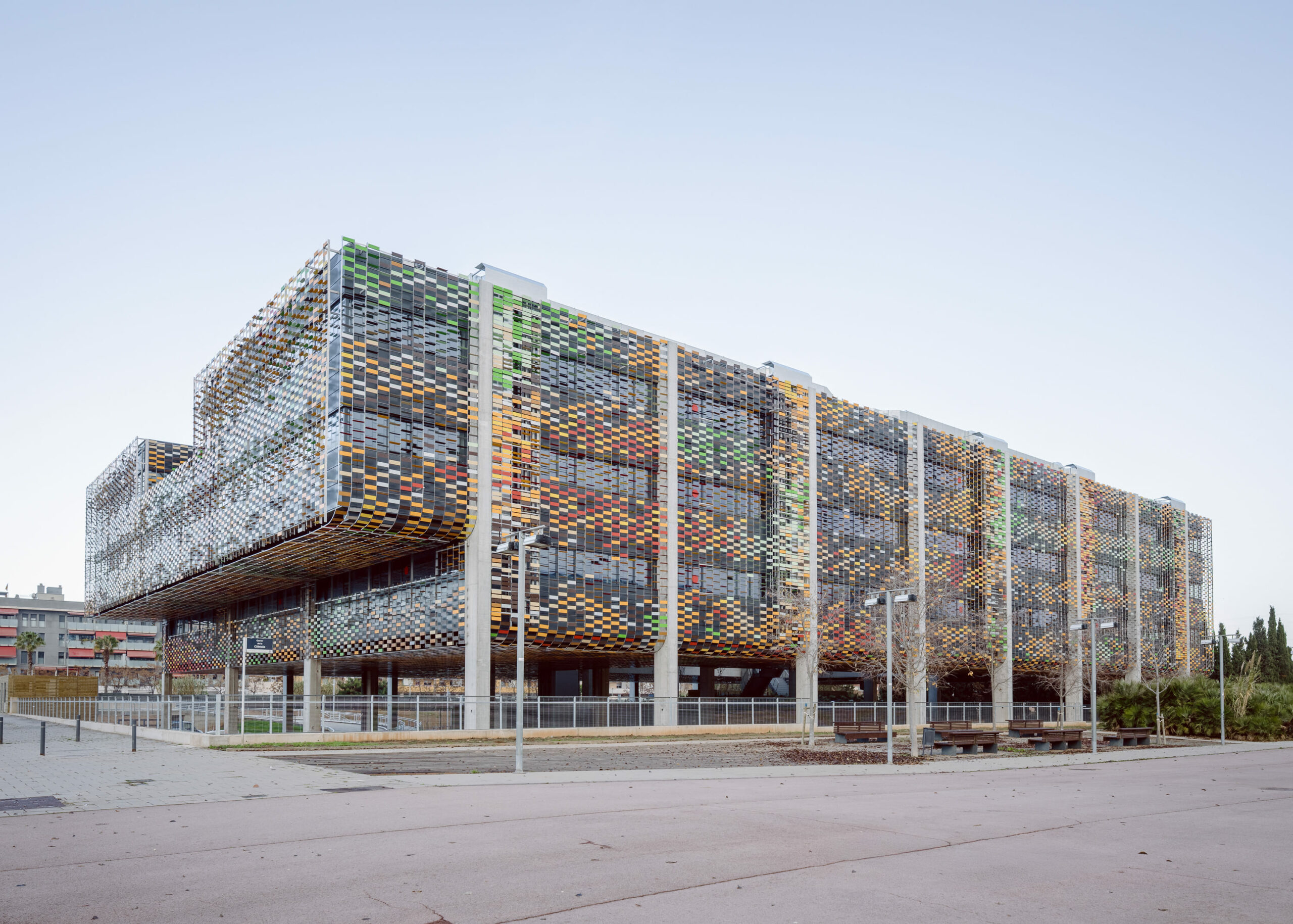
Exteriors
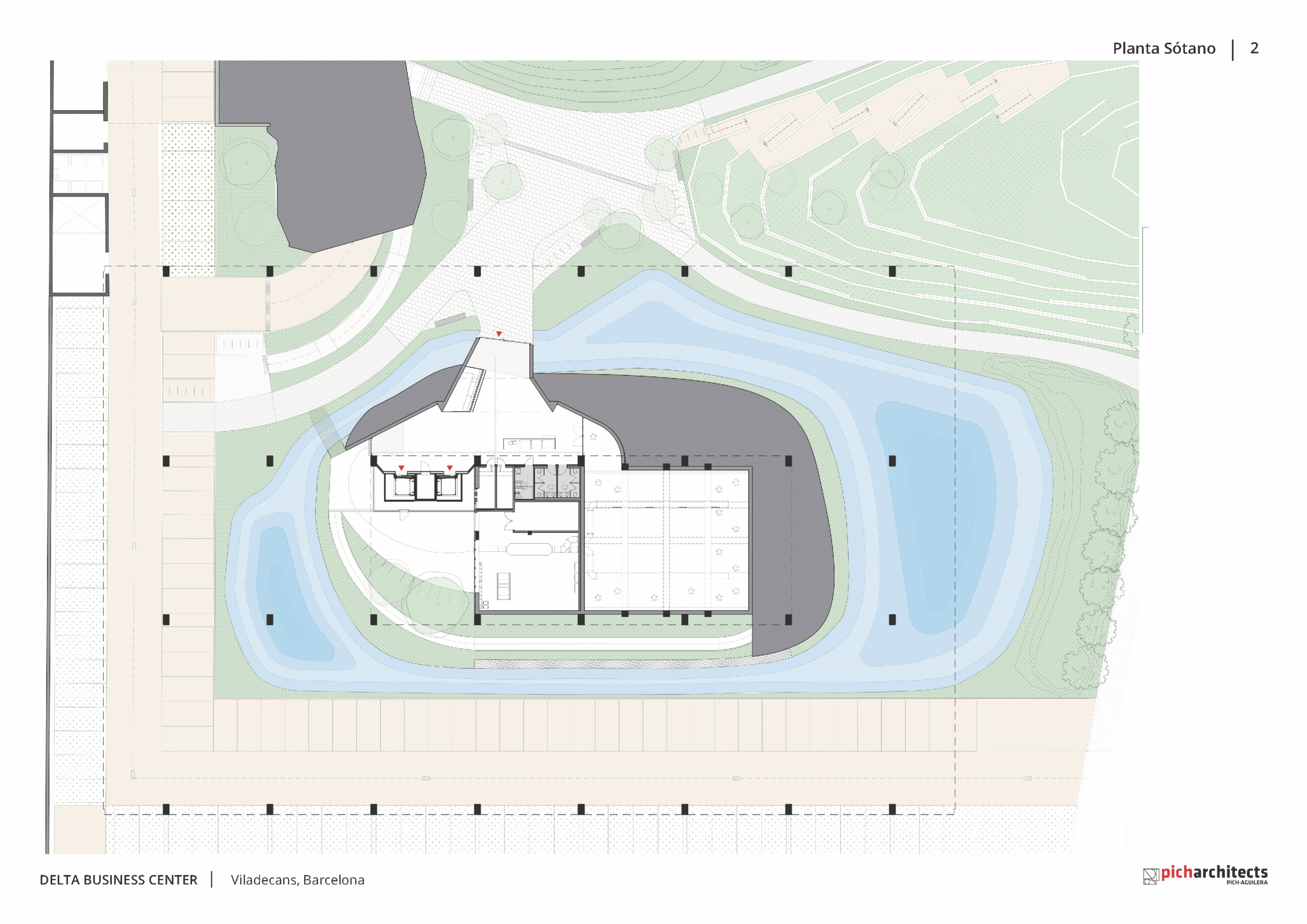
Access to the building takes place through an underground lobby, completely detached from the upper volume, beneath a landscaped mound.
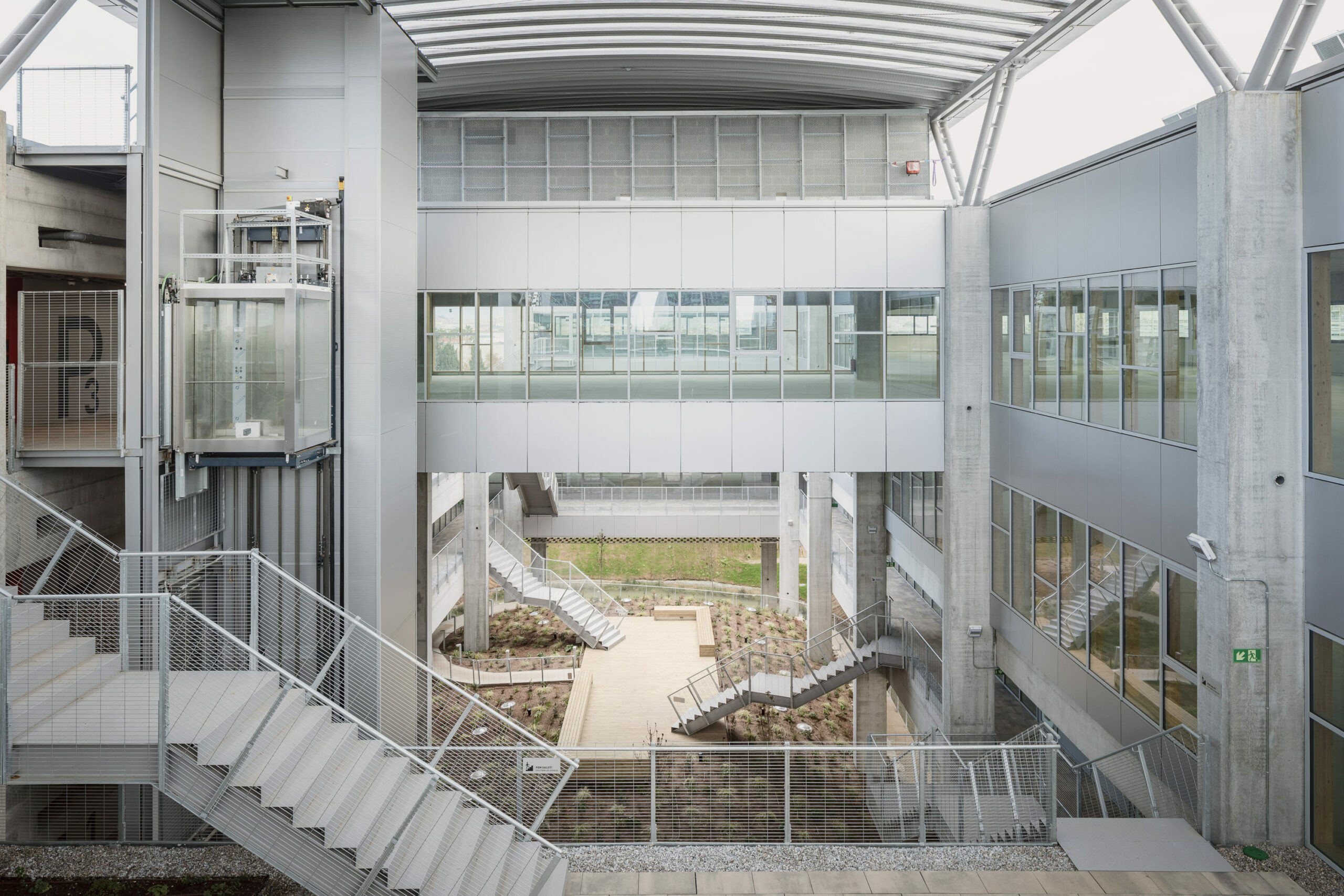
Panoramic elevators collect the flow of people from the entrance, ascending freely to the upper volume where the offices are located.
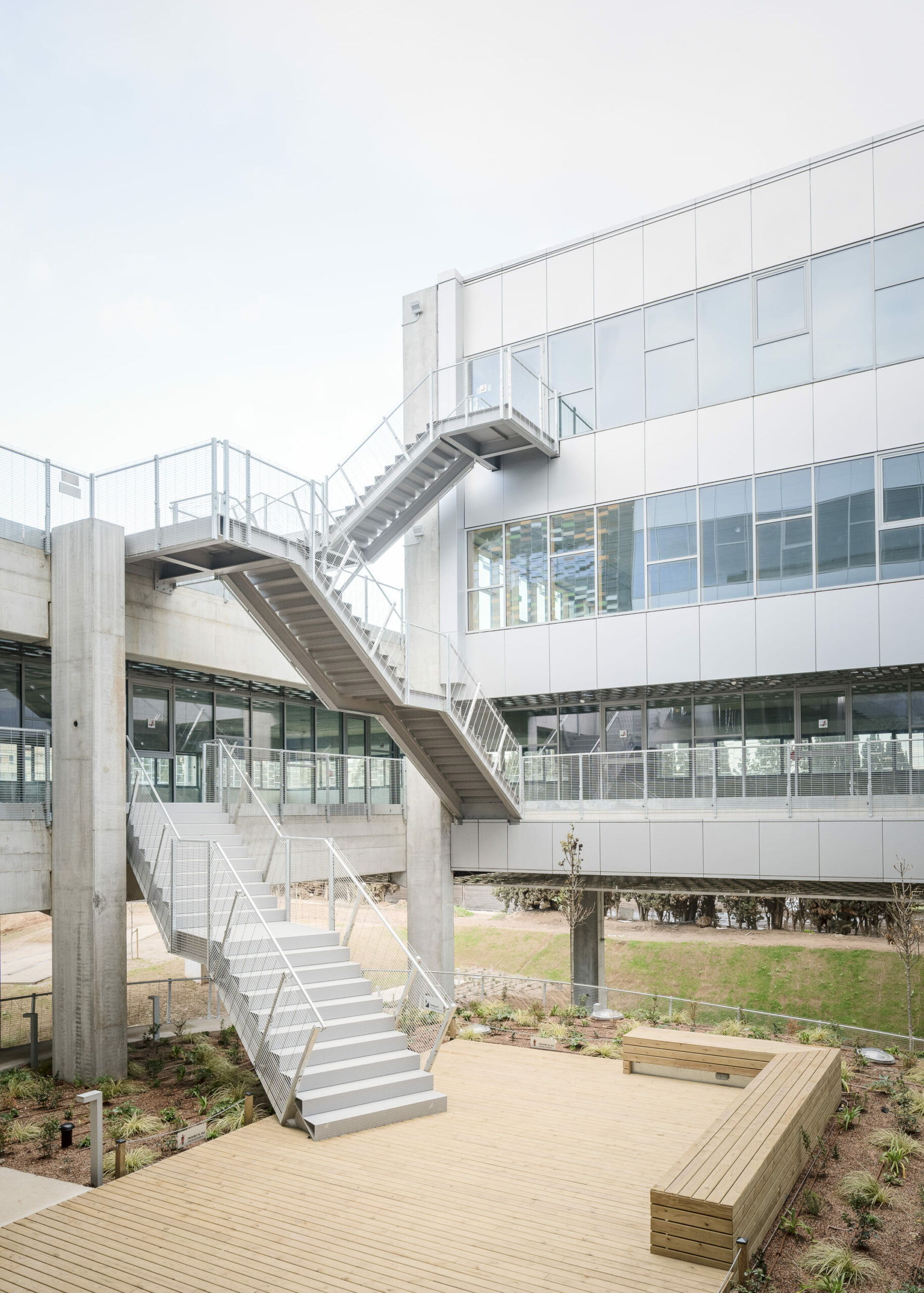
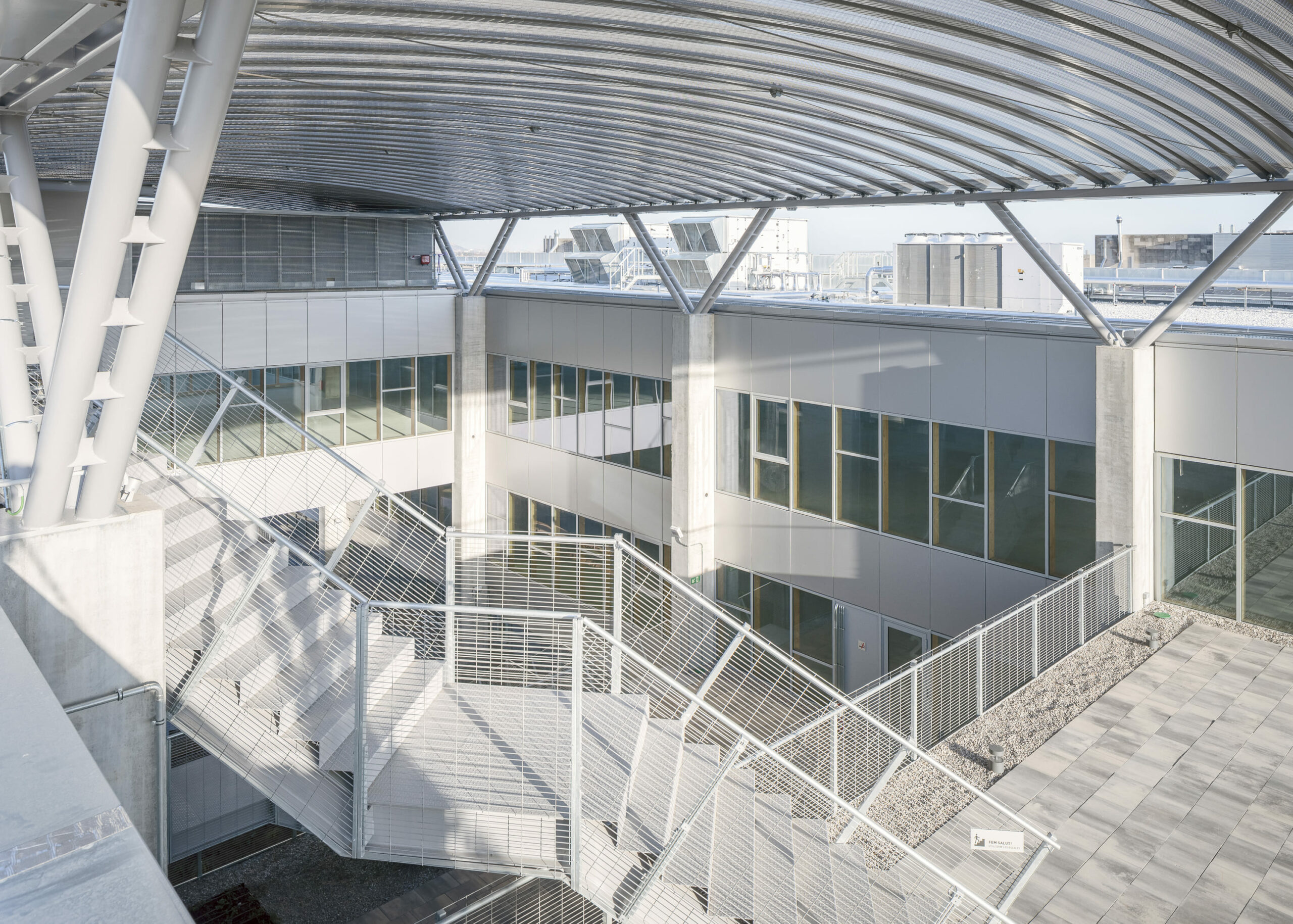
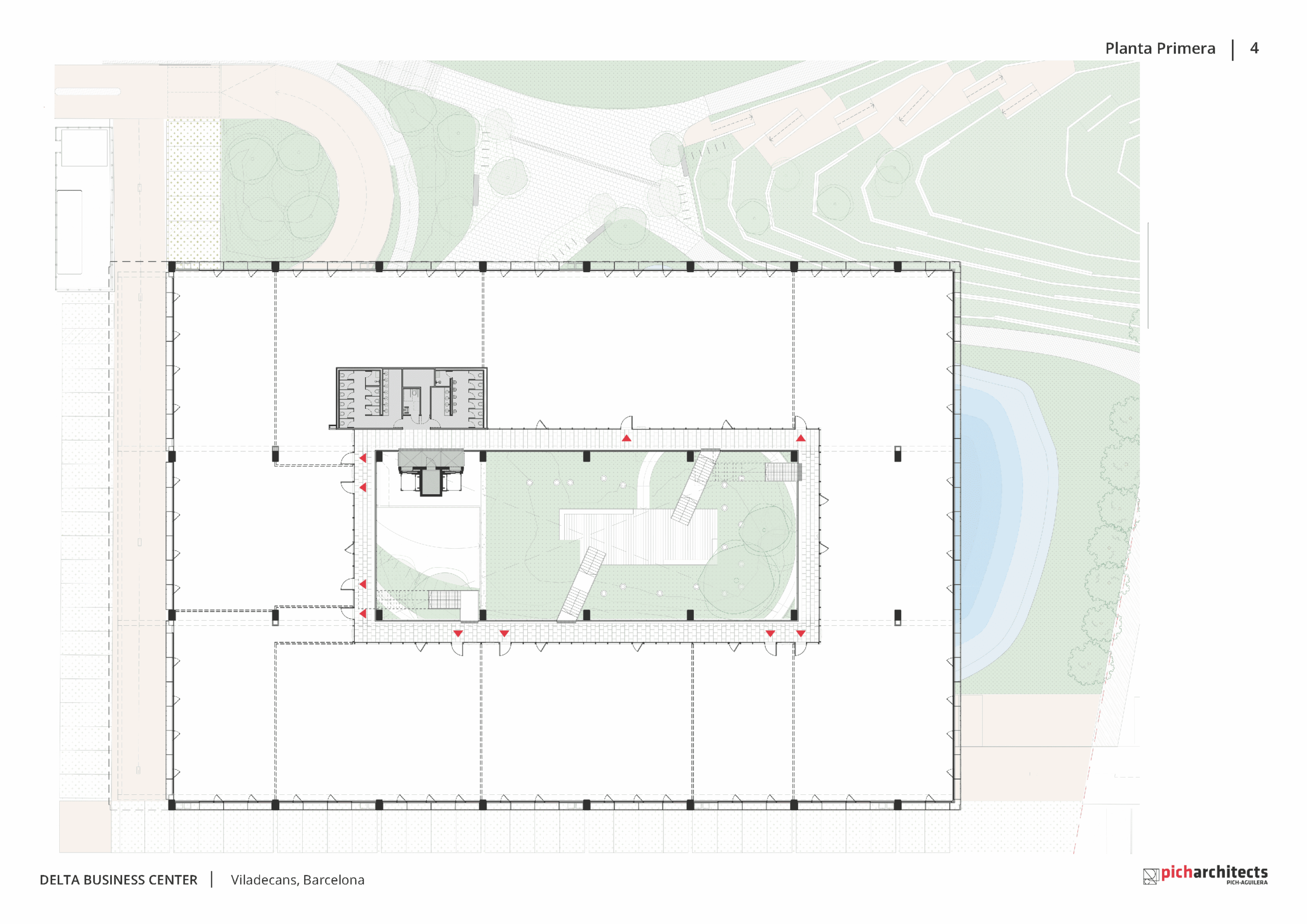
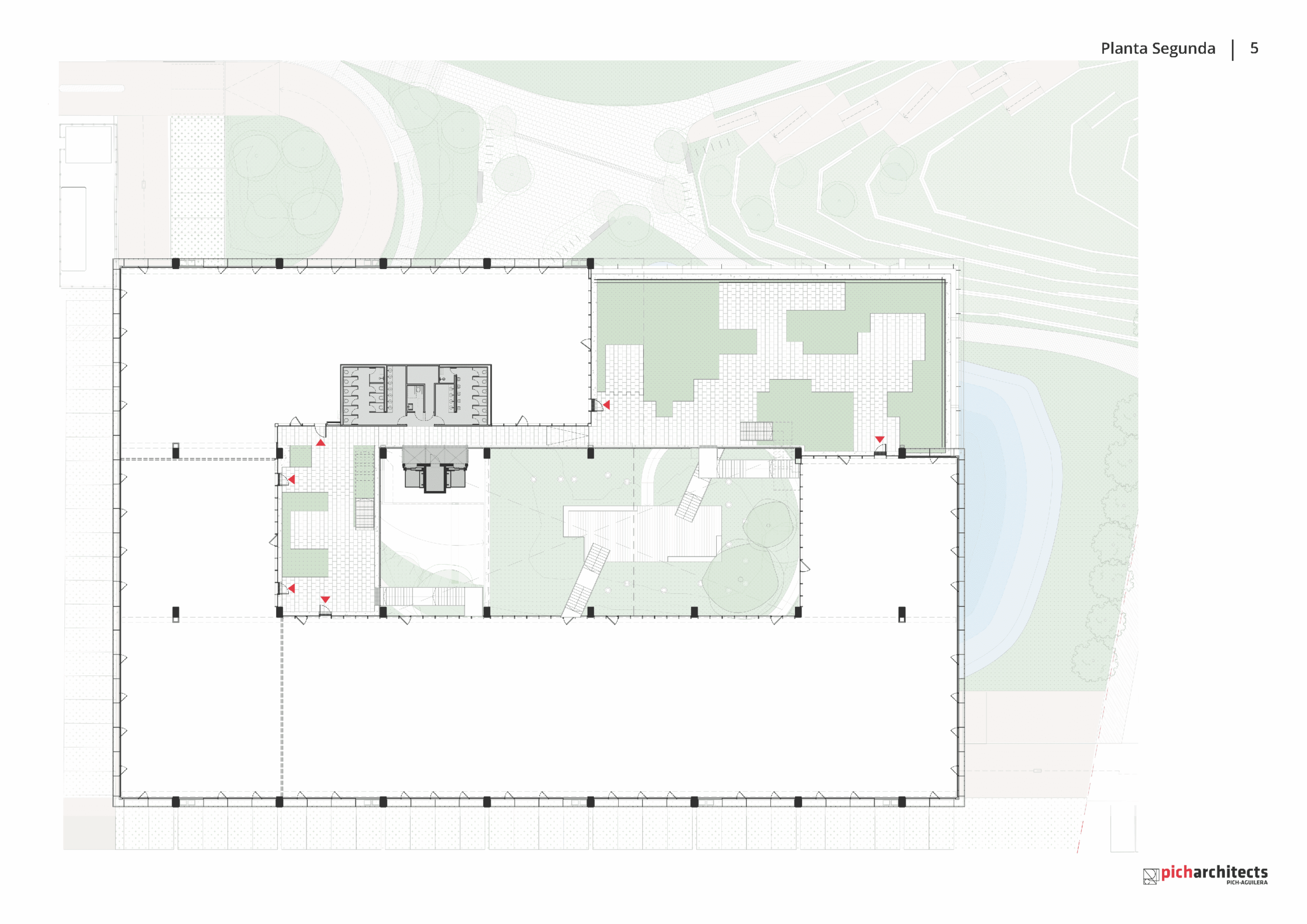
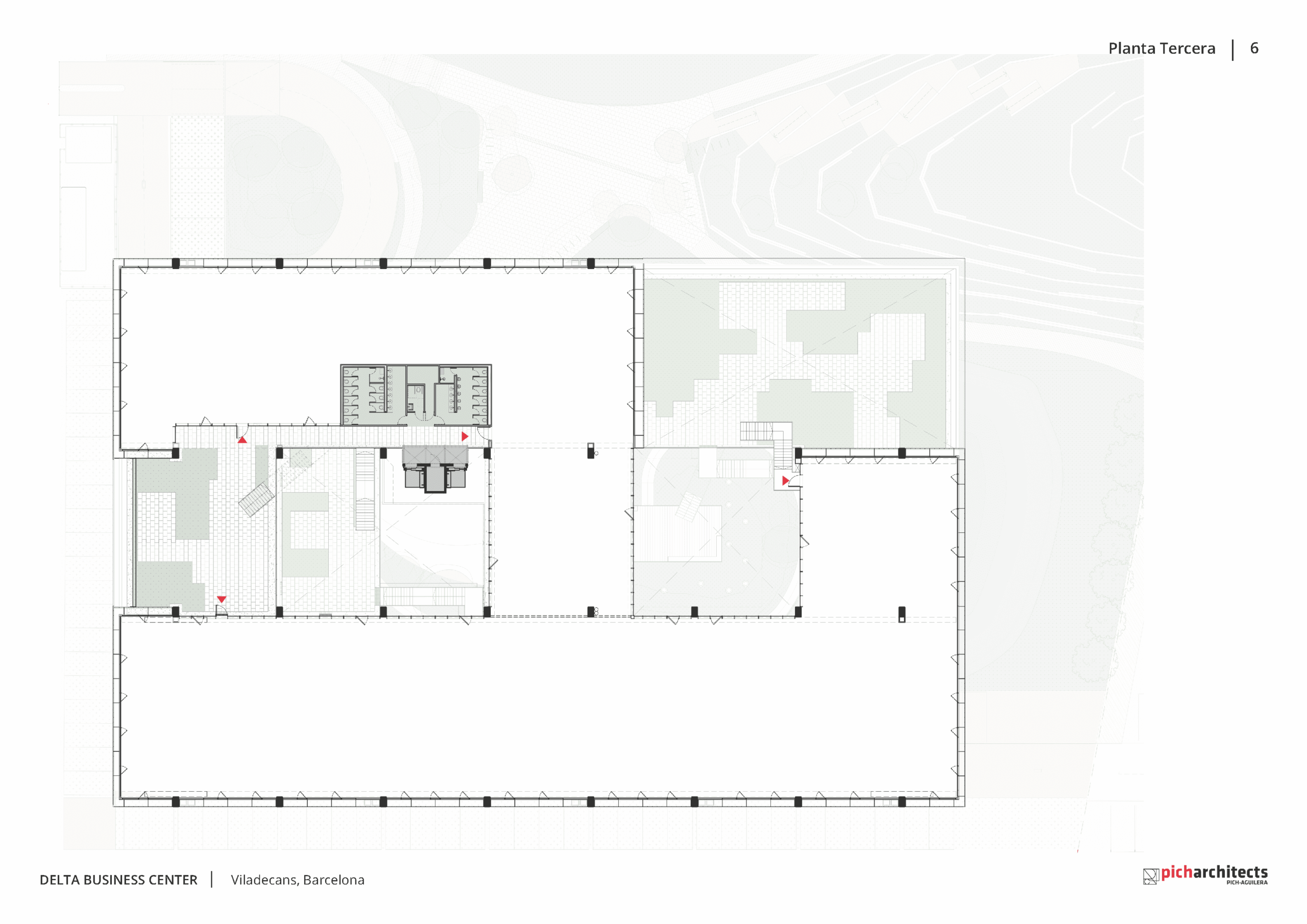
The building can be experienced as a walk. Exterior staircases connect the levels and landscaped paths on each floor, leading to the entrance of every office unit.
The suspended volumes feature a porous and terraced morphology. Porous, through courtyards that modulate interior lighting and ventilation. Terraced, with outdoor surfaces on every level that multiply, vertically, the conditions of a ground floor.
The overall appearance expresses an ambivalent presence. On one hand, it evokes the atmosphere of the pre-existing delta landscape through the chromatic vibration of its envelope; on the other, the built volume responds to the Cartesian urban frontage of the adjacent city, completing and qualifying the urban space.
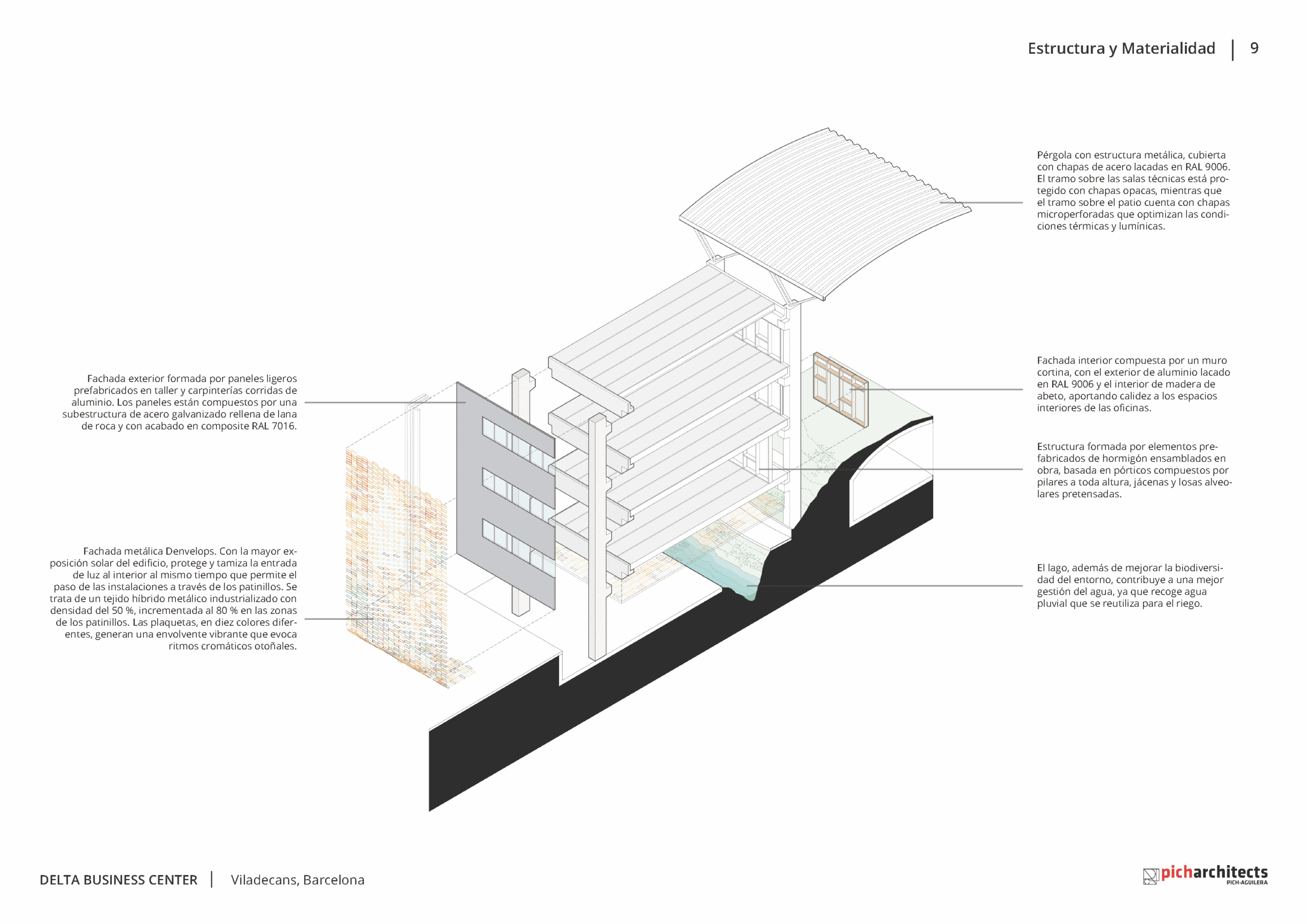
The façade is 100% industrialized, composed of a multitude of colored metal elements that filter and reflect solar radiation, providing diffused light inside the offices. It integrates into a concrete structure resolved in three levels coordinated by different contractors who share support elements to optimize resources and reuse substructures. This stratified system allows precise execution, reduced construction time, and minimized waste. The use of digital control processes, assembly templates, and detailed work sequencing ensured coordinated execution with minimal errors.
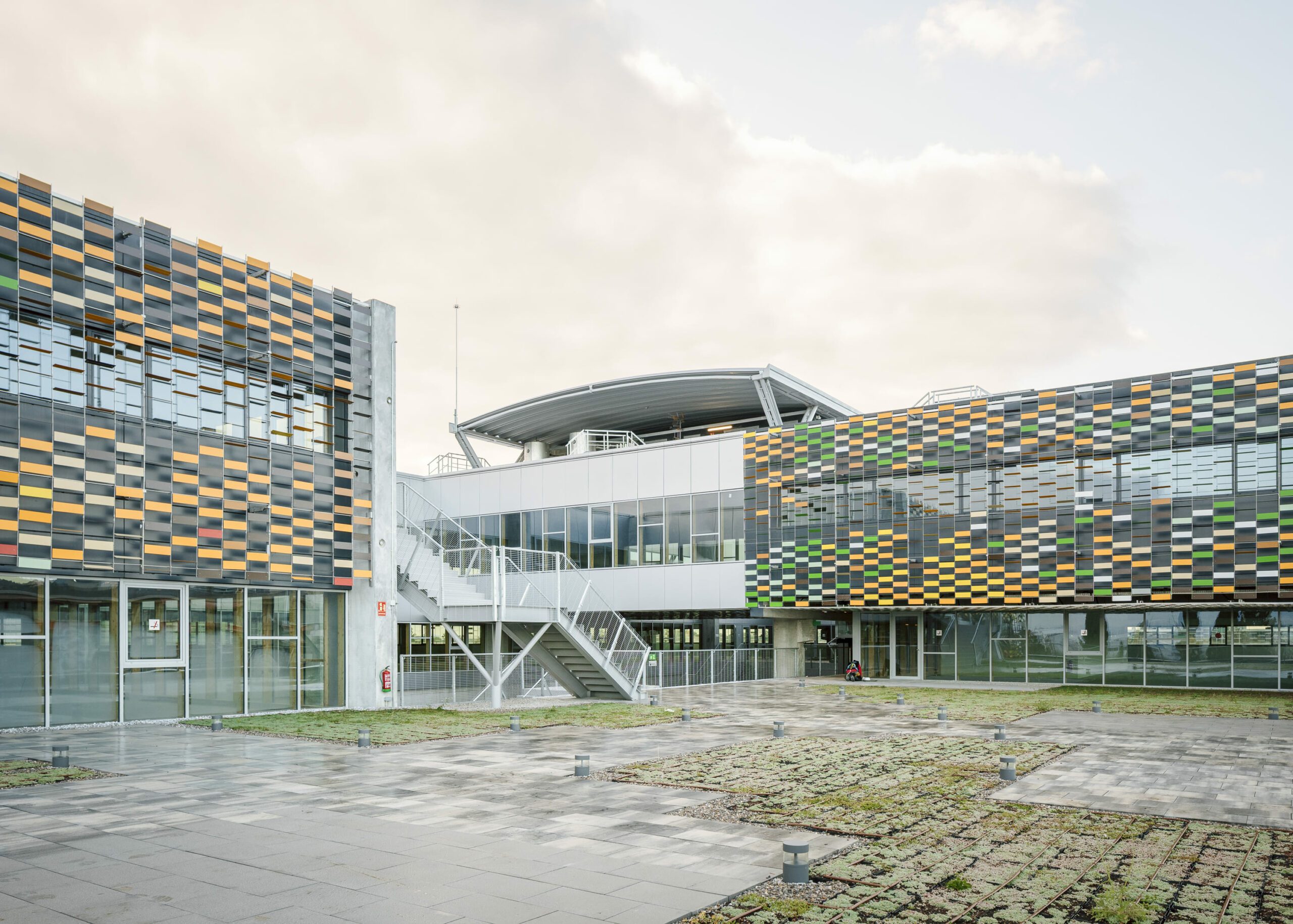
Interiors
The proposed morphology, combined with the building’s exterior circulation routes, allows for great flexibility and versatility of use.
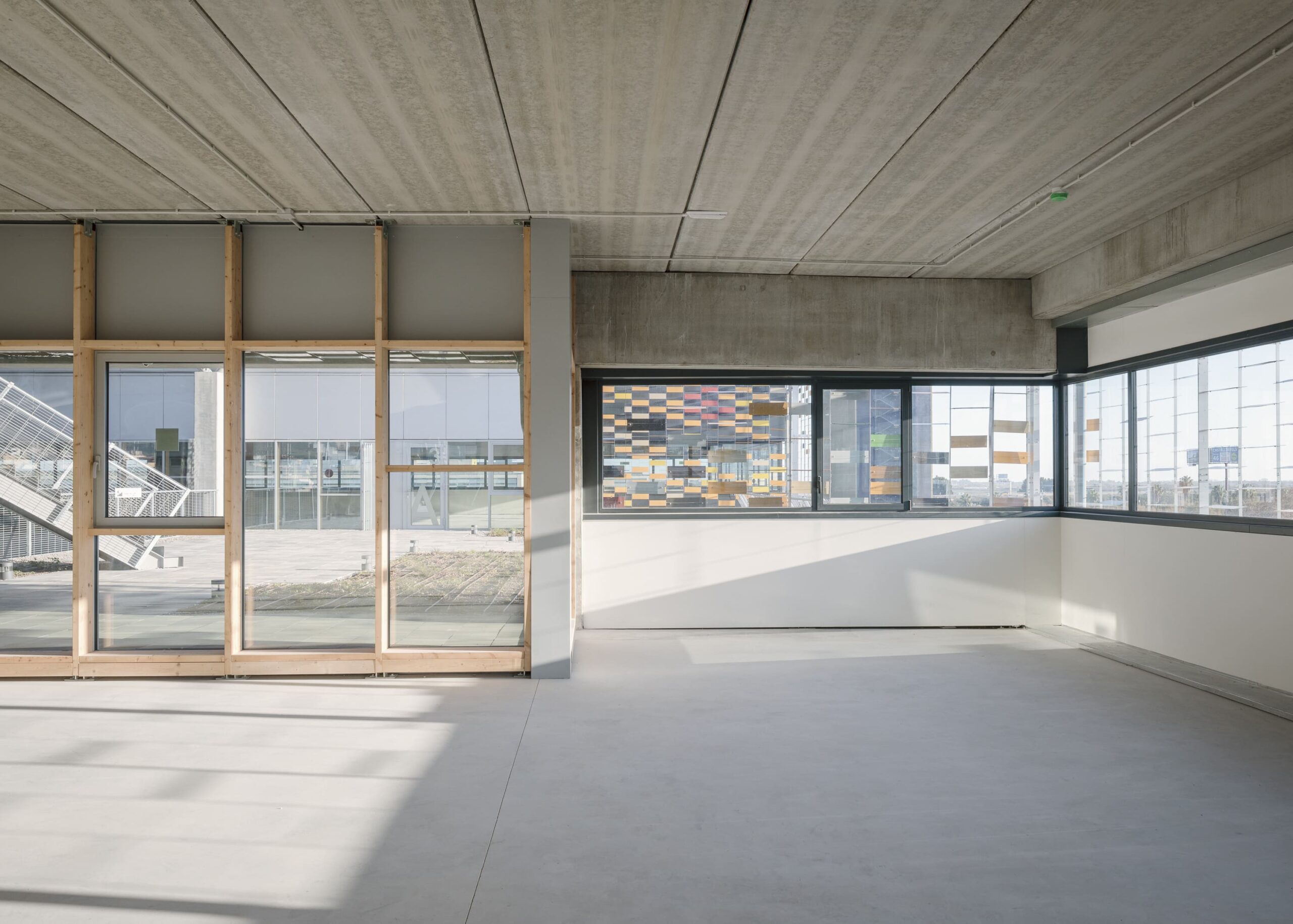
The interior emerges as a sequence of generous functional spaces with optimal light and climate conditions. These spaces form an efficient infrastructure capable of responding to a diversity of potential uses.
The outdoor terraces on each level have been designed as extensions of the interior workspace. The configuration of the platforms in relation to circulation routes, together with the appropriate use of Smart technologies, enables the proper management of outdoor spaces among the building’s user community.
Bioclimatic Strategies, Sustainability and Circular Economy
Contemporary architecture faces a paradigm shift: designing buildings that not only reduce environmental impact but also preserve, store, and reactivate material, spatial, and energy value over time.
Natural Comfort
The natural comfort strategy is based on bioclimatic principles that take advantage of the building’s orientation, cross ventilation, and solar control to minimize energy demand. Through thermal inertia and appropriate solar protection, indoor temperature is stabilized and overheating is prevented, especially in a warm-humid climate. Natural ventilation promotes heat dissipation and improves indoor air quality, creating healthier and more comfortable spaces without excessive reliance on active systems.
In terms of daylighting, the project achieves an SDA of 62%, meaning that a significant portion of occupied areas receives adequate natural light levels for much of the year. Meanwhile, an ASE of 100% indicates the absence of excessive direct solar exposure, avoiding glare and unwanted heat gains thanks to shading and solar control elements that optimize the balance between daylight contribution and thermal comfort.
Together, these strategies create an efficient, stable, and high-quality indoor environment.
Biodiversity
The project’s biodiversity strategy is based on integrating a wide variety of Mediterranean species adapted to the local climate, prioritising hardy plants with low water consumption and minimal maintenance. The building is partially elevated to allow for the continuity of vegetation underneath, maintaining the ecological connectivity of the site and reinforcing the existing landscape. This decision increases the effective green area and helps to reduce the heat island effect through evapotranspiration and natural shading. A water pond is also incorporated as a microclimatic regulating element, which promotes passive cooling through evaporation, increases environmental humidity in dry periods and acts as a reservoir for sustainable irrigation. This element also enhances biodiversity, attracting birds, pollinating insects and small local species. At the same time, soil permeability and natural rainwater management are improved, reinforcing the water balance of the complex. Vegetation and water work together to create a cooler microclimate, reduce energy demand for cooling and improve air quality by capturing CO₂ and particles. Overall, the proposal consolidates a resilient urban ecosystem, increasing user well-being and integrating the building into its natural context.
Energy Management
The project’s energy strategy is based on reducing demand by developing a detailed energy model of the building (digital twin), which made it possible to analyse its thermal behaviour and identify heat losses and gains throughout the year. Based on this study, the thermal envelope was optimised, solar protection was incorporated into the façades and central courtyard, and the design of the bioclimatic courtyard was adjusted using wind simulations to regulate the temperature in summer and winter. All decisions were aligned with local regulations and ASHRAE reference criteria, achieving an annual energy demand of 55.39 kWh/m², representing a 38% reduction compared to a reference building. In a second phase, the strategy focused on reducing consumption through efficient lighting, lighting and CO₂ sensors, the incorporation of photovoltaic panels and high-efficiency systems such as geothermal and aerothermal energy. As a final result, the building achieves a 53.1% reduction in consumption compared to the base model. This translates into a 53.1% reduction in annual energy costs. Overall, the combination of passive and active strategies significantly reduces the environmental impact and operating costs throughout the building’s life cycle.
Water Management
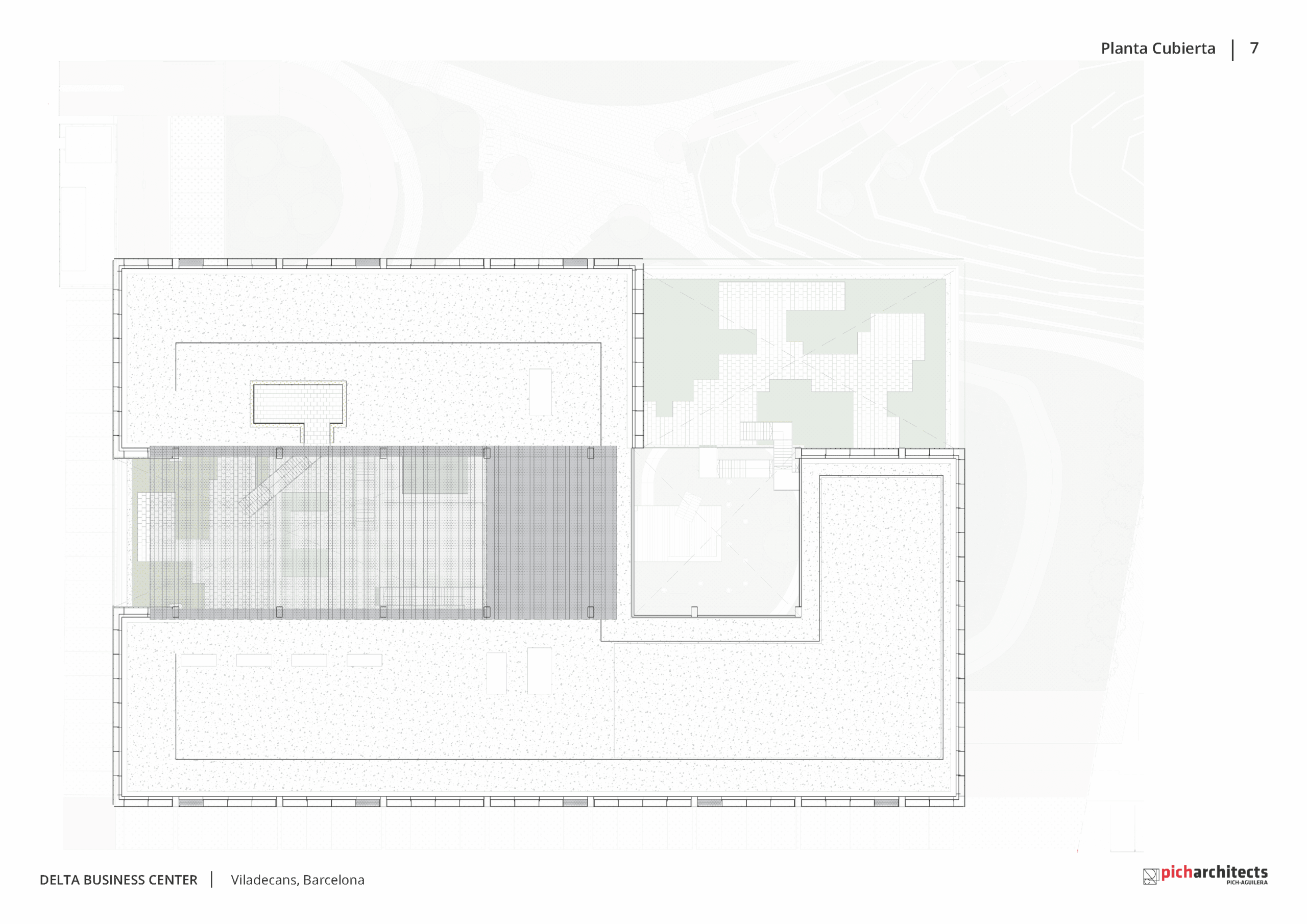
The project’s water strategy is based on the incorporation of green terraces with water storage capacity and a sustainable drainage system in the outdoor space, where rainwater is directed to a visible reservoir that allows it to be reused for watering vegetation. This approach significantly reduces the demand for drinking water for outdoor use and promotes a more natural water cycle within the plot. In addition, the building incorporates high-efficiency sanitary fixtures to minimise indoor consumption, optimising the use of this resource in both offices and common areas. The aim was to design a building capable of sustaining all the planned vegetation with minimal irrigation requirements, reducing overall water consumption as much as possible and promoting responsible water use. As a result, pressure on water resources and emissions associated with treatment and pumping are reduced, while operating costs are lowered. Green roofs and terraces, together with rainwater harvesting, improve rainwater management and contribute to the environmental balance of the surroundings.
Overall, the water strategy provides environmental, economic and well-being benefits, consolidating an efficient, healthy and resilient building.
Material Resource Management
The project’s materials strategy aims to significantly reduce embedded carbon, minimise resource consumption and ensure the recovery of components at the end of their useful life, in line with the European Taxonomy, LEVEL(s) and LEED. The building is conceived as a living, reversible and evolving infrastructure, where every design decision responds to an advanced circular economy logic. Architecture is no longer understood as a static object but rather as an adaptable system capable of being transformed, dismantled and reprogrammed without losing the value of its materials. Flexibility is not only spatial but also material: components are designed to be assembled, disassembled and reassembled, integrating industrialisation as a strategy for circularity and resilience.
The design adopts a methodology based on Life Cycle Assessment (LCA, phases A1–A3), prioritising materials with low environmental impact, recycled content, traceability and potential for reuse. In this sense, it is key to incorporate durability criteria —especially in structural materials such as concrete— to ensure a longer service life and reduce future interventions. The building operates as an urban materials bank, aligned with new production models and future regulatory requirements. As a result, the project achieves a 48% reduction in embedded emissions compared to the baseline and 35% circularity potential, increasing its long-term strategic, environmental and economic value.
Climate Change and Resilience
The climate change and resilience strategy is based on designing a building capable of responding to both current conditions and future scenarios resulting from global warming. The project combines mitigation measures—reducing the carbon footprint, decreasing energy demand through passive strategies, and optimising consumption through control systems—with clear adaptation actions. These include the incorporation of vegetation and green roofs to mitigate the heat island effect, improving the thermal performance of the building envelope, and efficient water management that prioritises reduction and reuse of the resource. These decisions reinforce the building’s ability to cope with heat waves, extreme temperature variations, and increasingly frequent periods of drought.
The aim is to position the project as a benchmark against comparable developments, demonstrating excellence in energy efficiency, responsible water management, sustainable material selection and high levels of thermal, lighting and environmental comfort. The proposal not only meets current standards but exceeds them, anticipating the regulatory and climatic requirements of the coming decades. As a result, operating costs and environmental impact are significantly reduced, while greater stability and well-being for users are guaranteed. The building is consolidated as a future-proof, resilient, efficient and environmentally responsible infrastructure.