Frapont Offices Refurbishment
Barcelona, Spain
Project Details
Year: 2024
Status: Built
Typology: Offices
Photography: Agustín Witenas
More Information
Project: PichArchitects
Location
Location
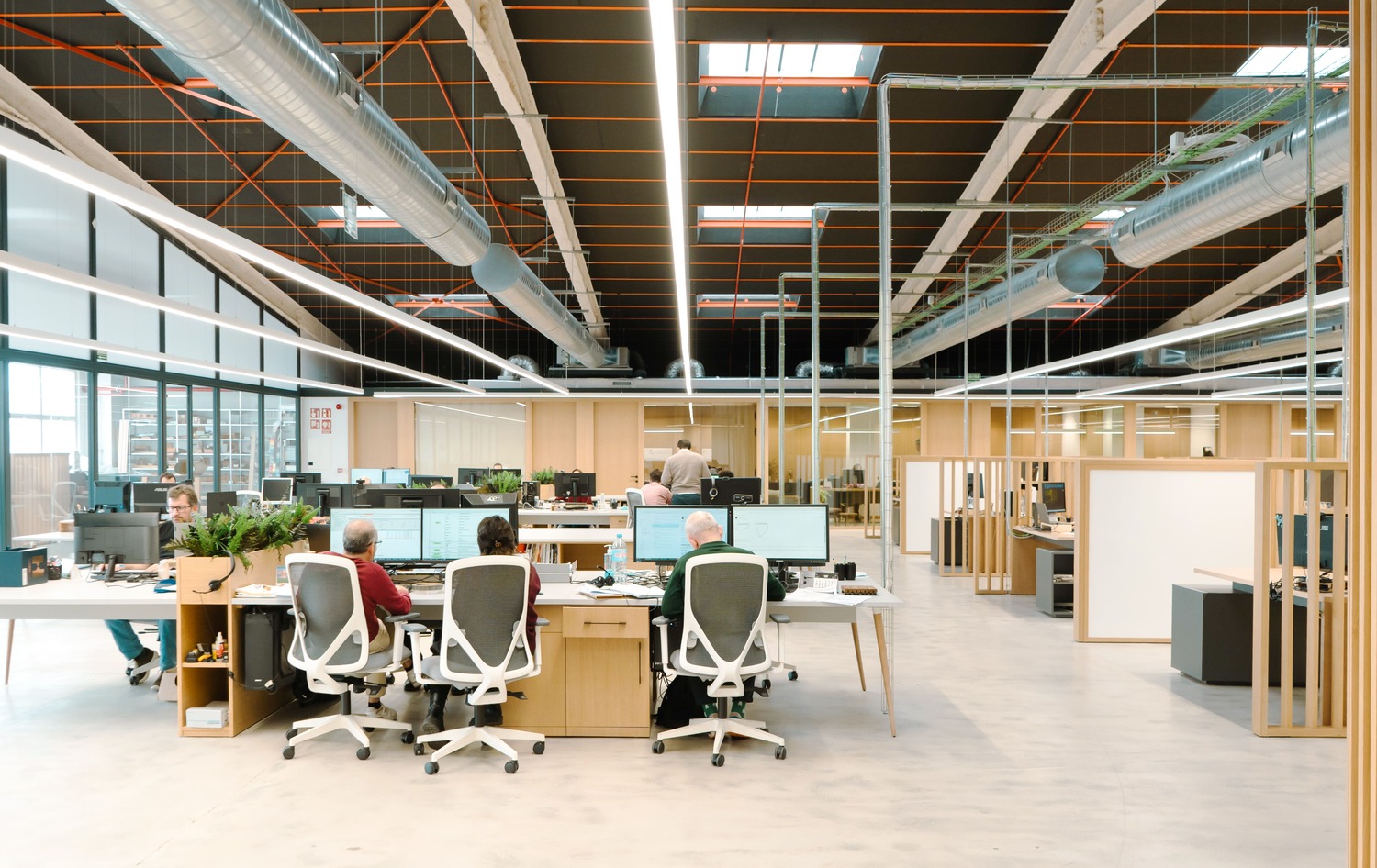
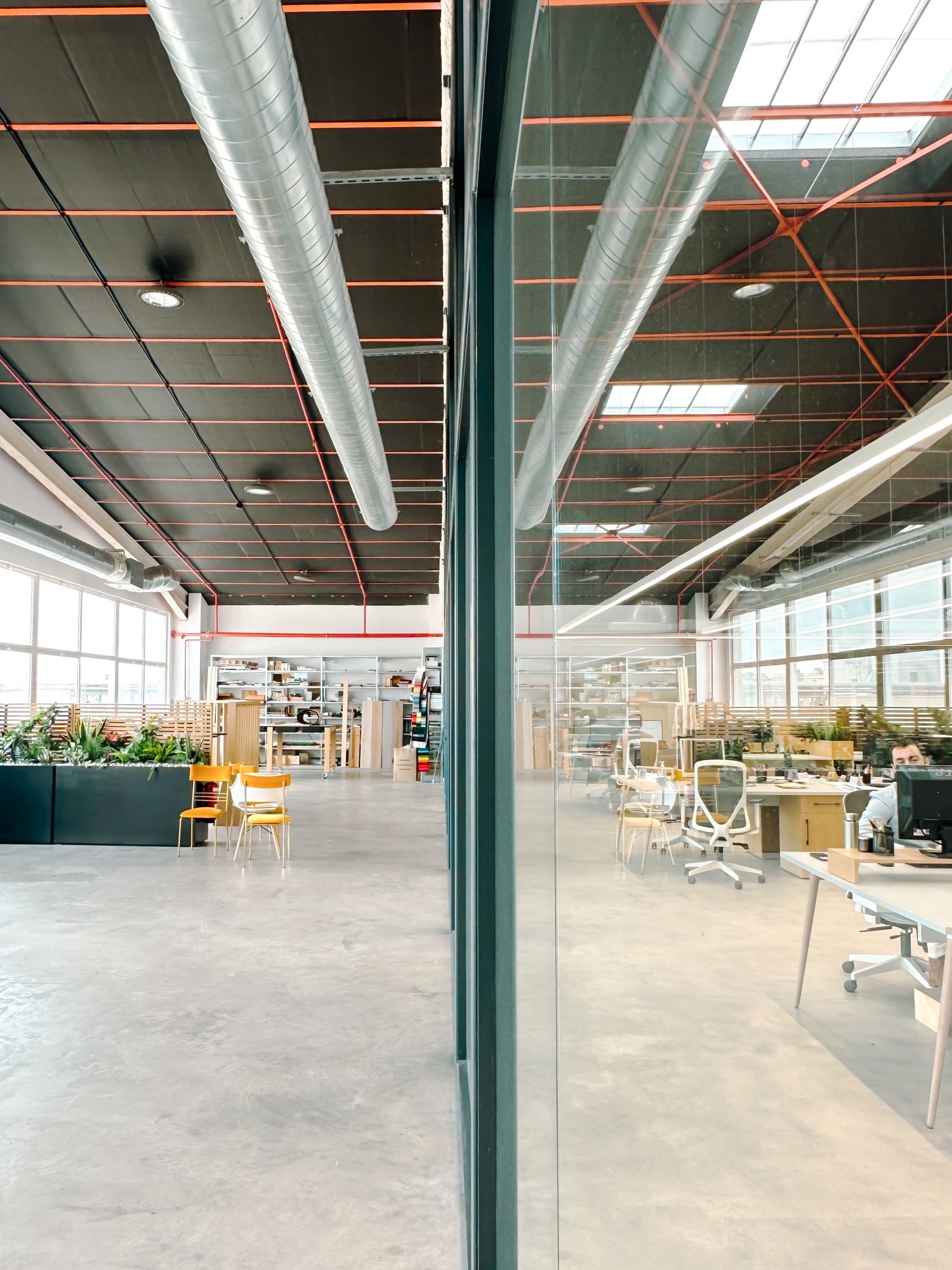
The project is developed inside a former industrial warehouse, characterized by its great height and spaciousness. Located in an urban environment, the space enjoys soft, even light entering through its two façades, offering cross views of the city. The intervention seeks to preserve the original essence of the place, respecting its industrial character and leveraging its spatial and luminous qualities.
Exteriors
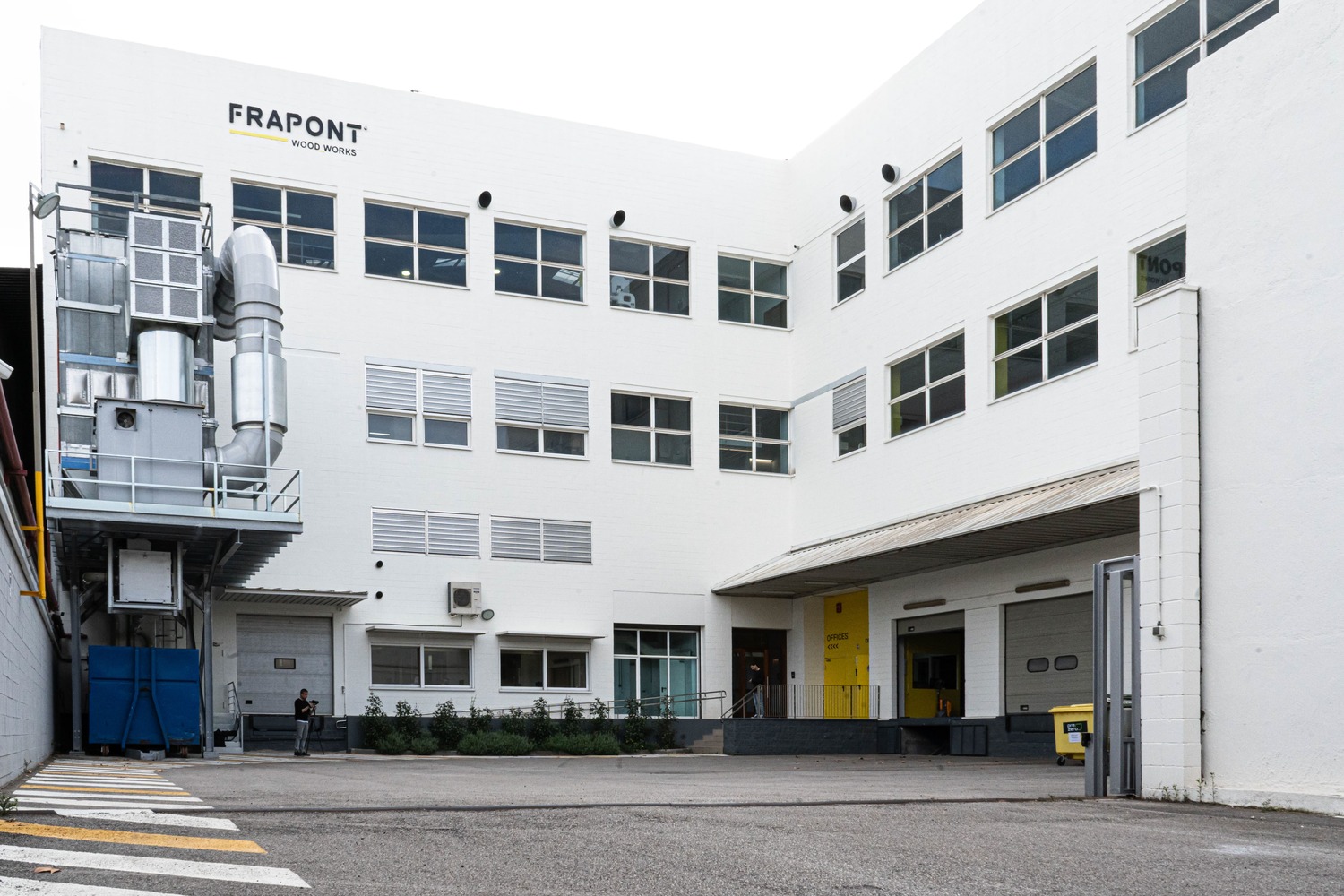
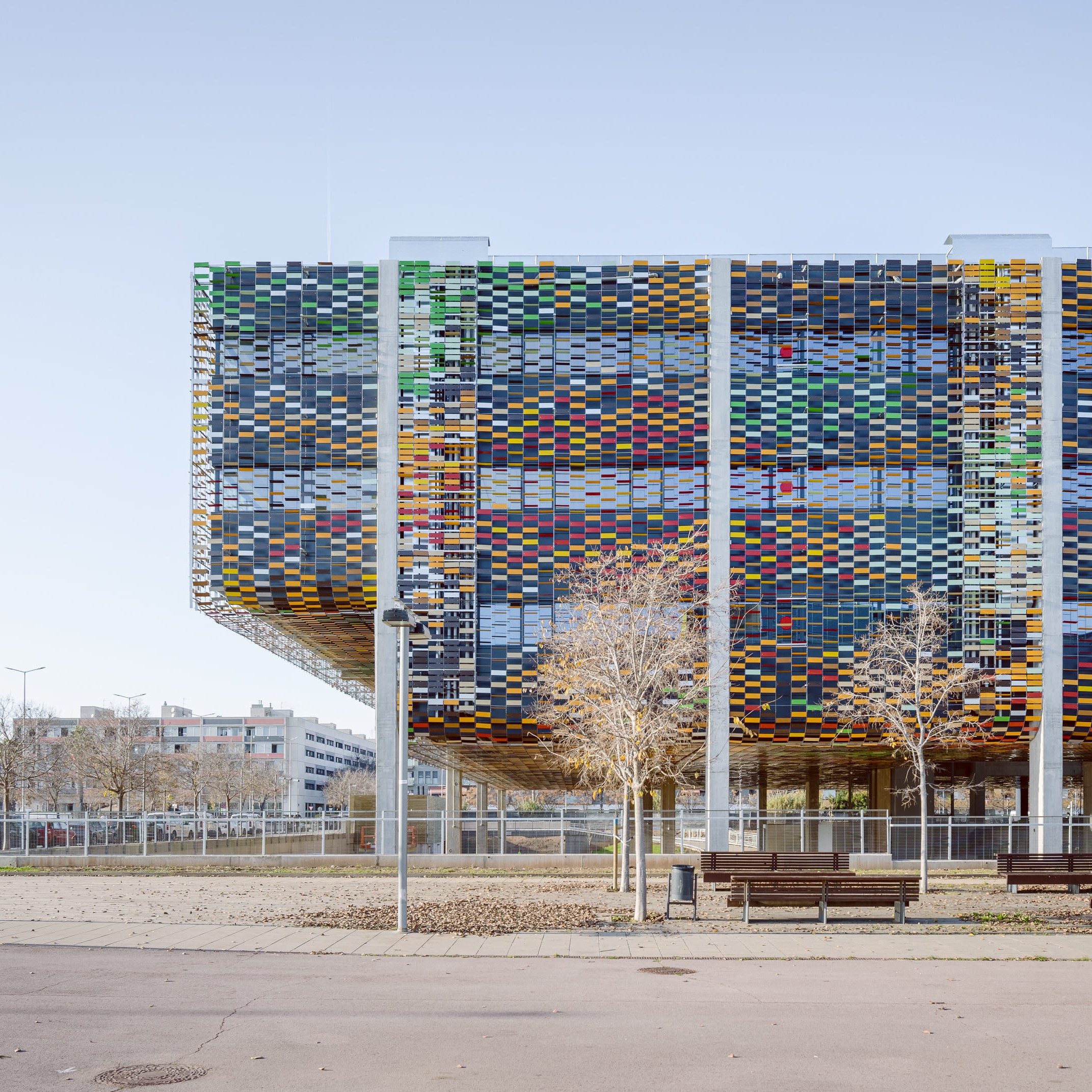
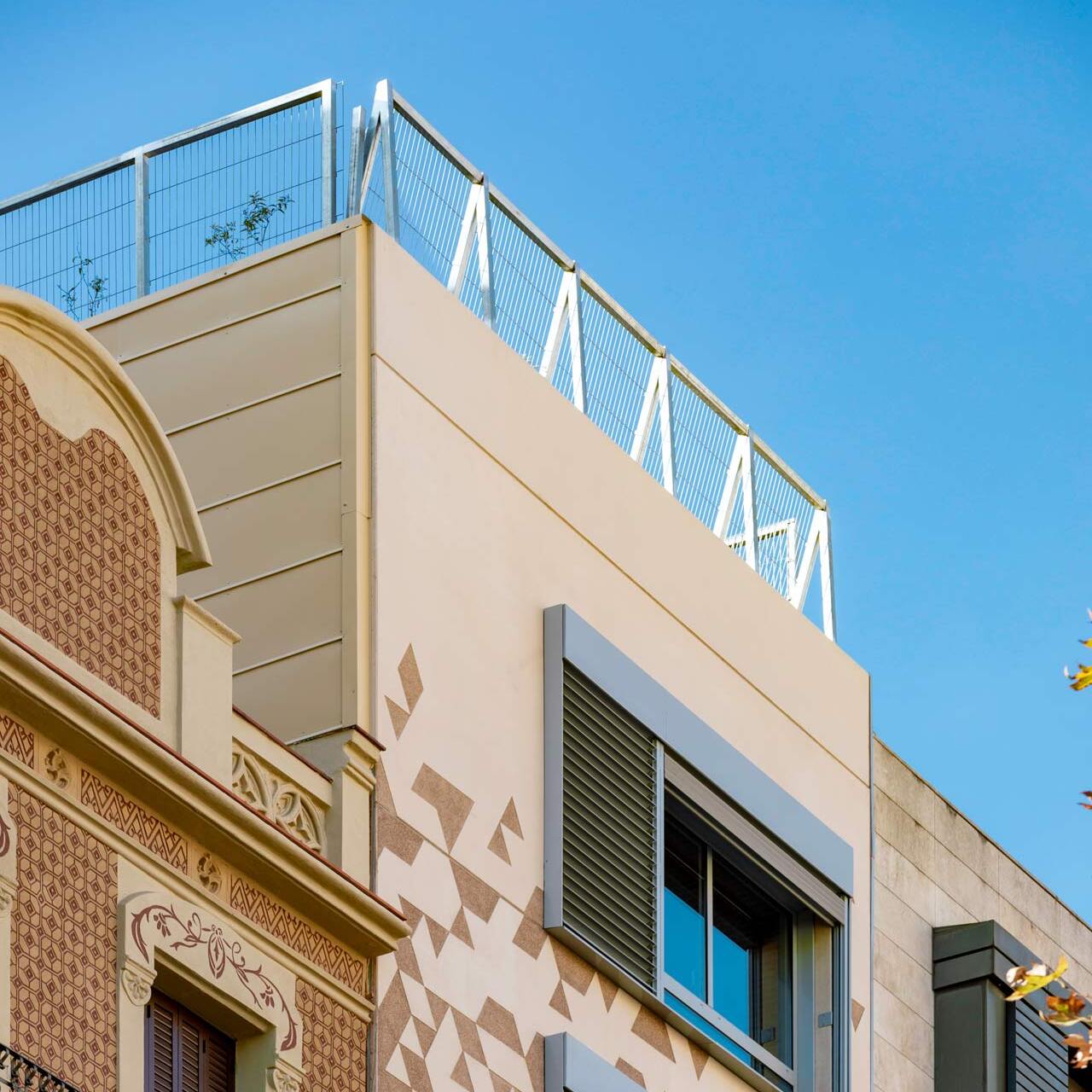
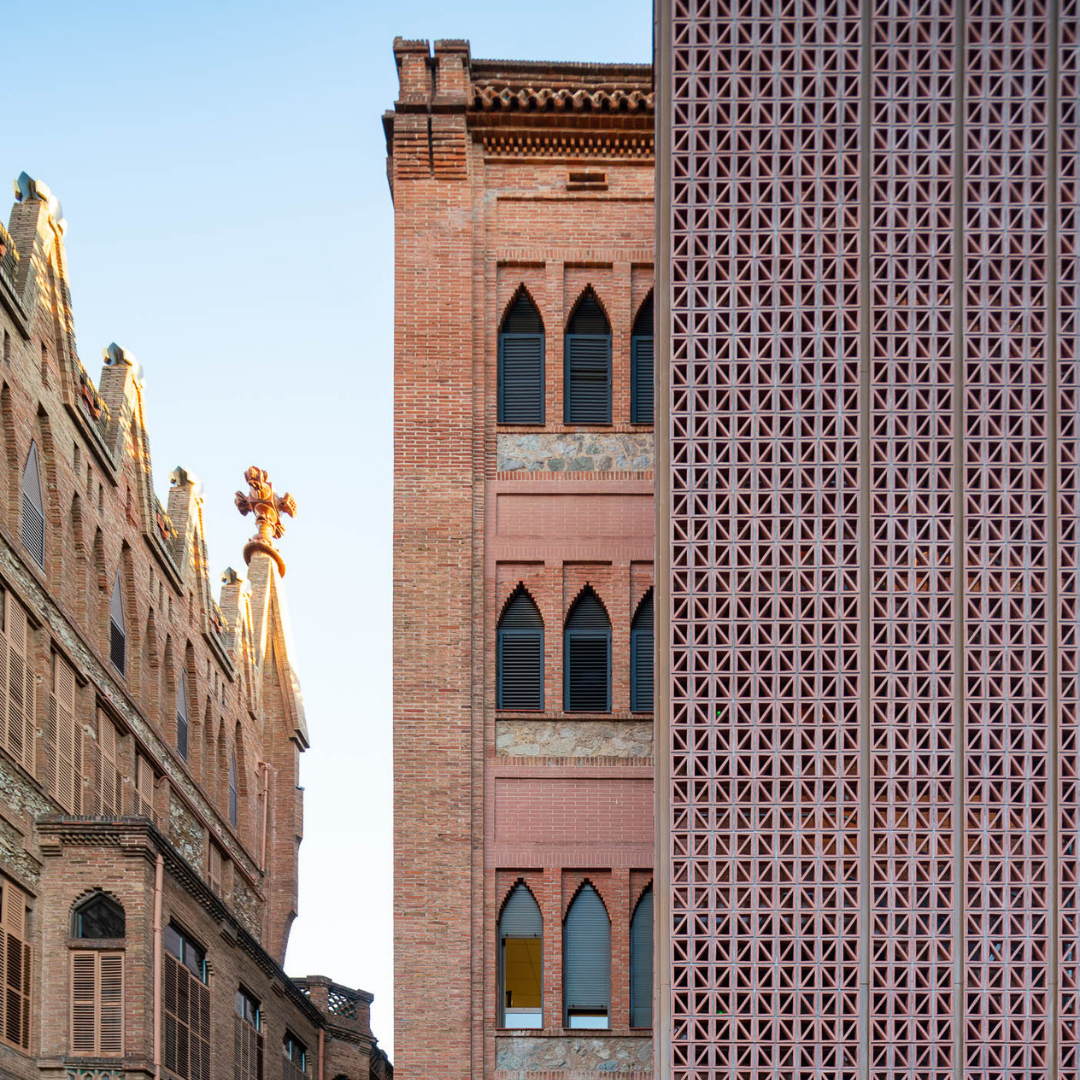
Although it is an interior intervention, the treatment of the façades plays a key role: views of the urban surroundings and natural light entry are enhanced, creating a permeable and bright space. From the outside, the intervention does not alter the perception of the original volume but emphasizes its sober and functional presence, consistent with its previous use as a workshop.
Interiors
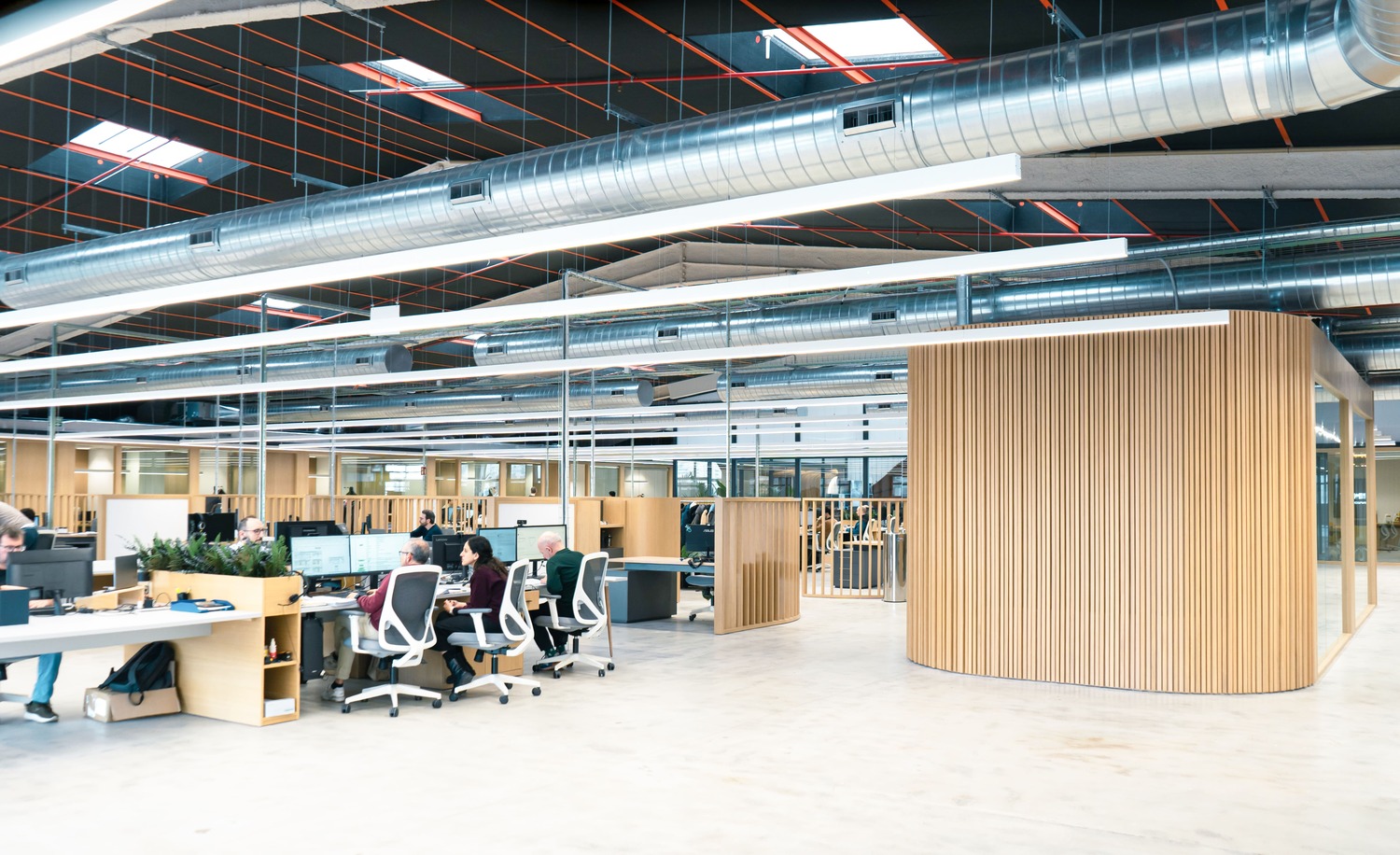
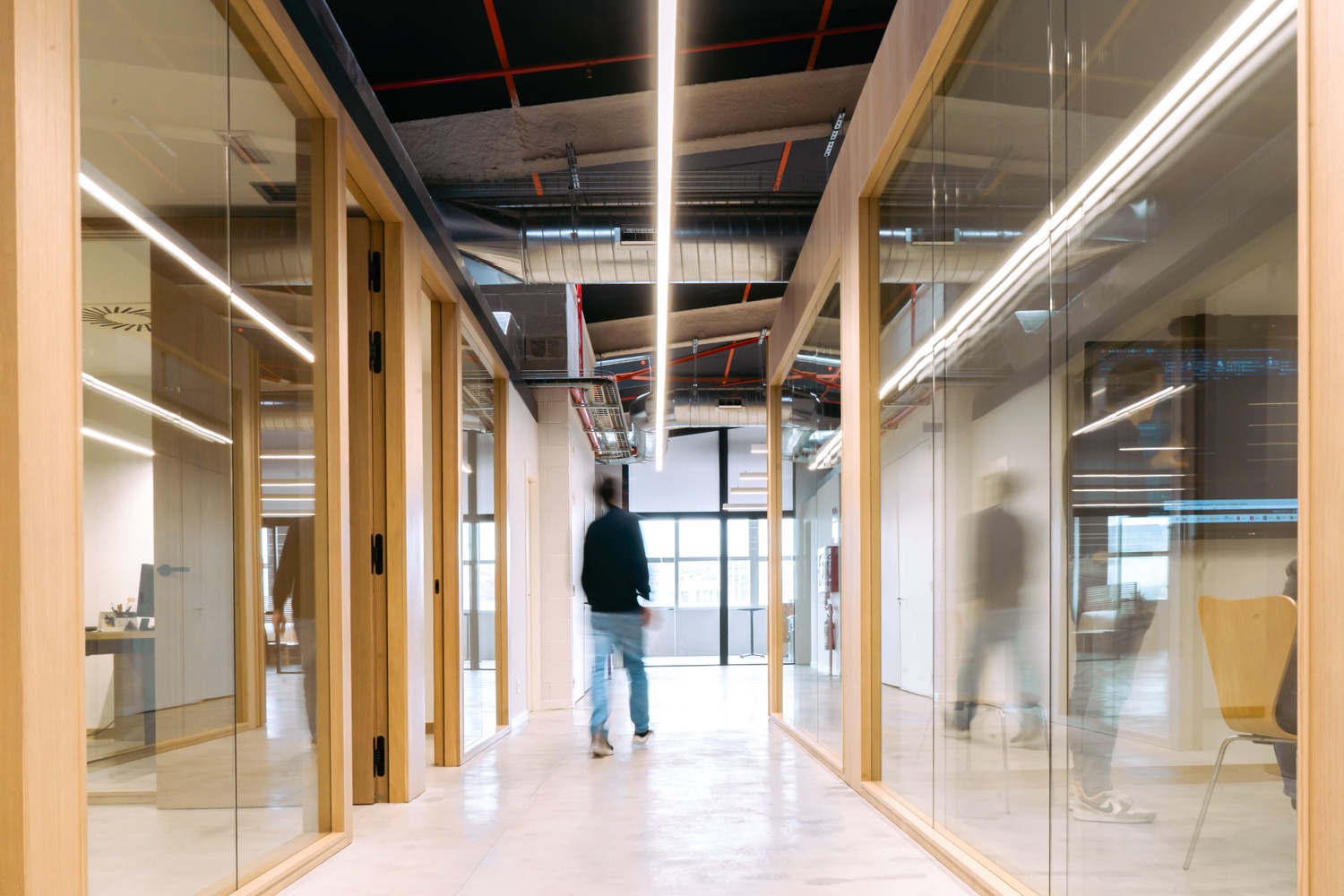
The interior design aims to balance the generous scale of the industrial space with the comfort required for daily work. The main goal has been to create an environment that allows work in a large, open space while retaining intimate areas that respond to human scale. Elements have been introduced to modulate sound, light, and temperature, with a clear spatial hierarchy facilitating orientation and smooth use of the entire space.
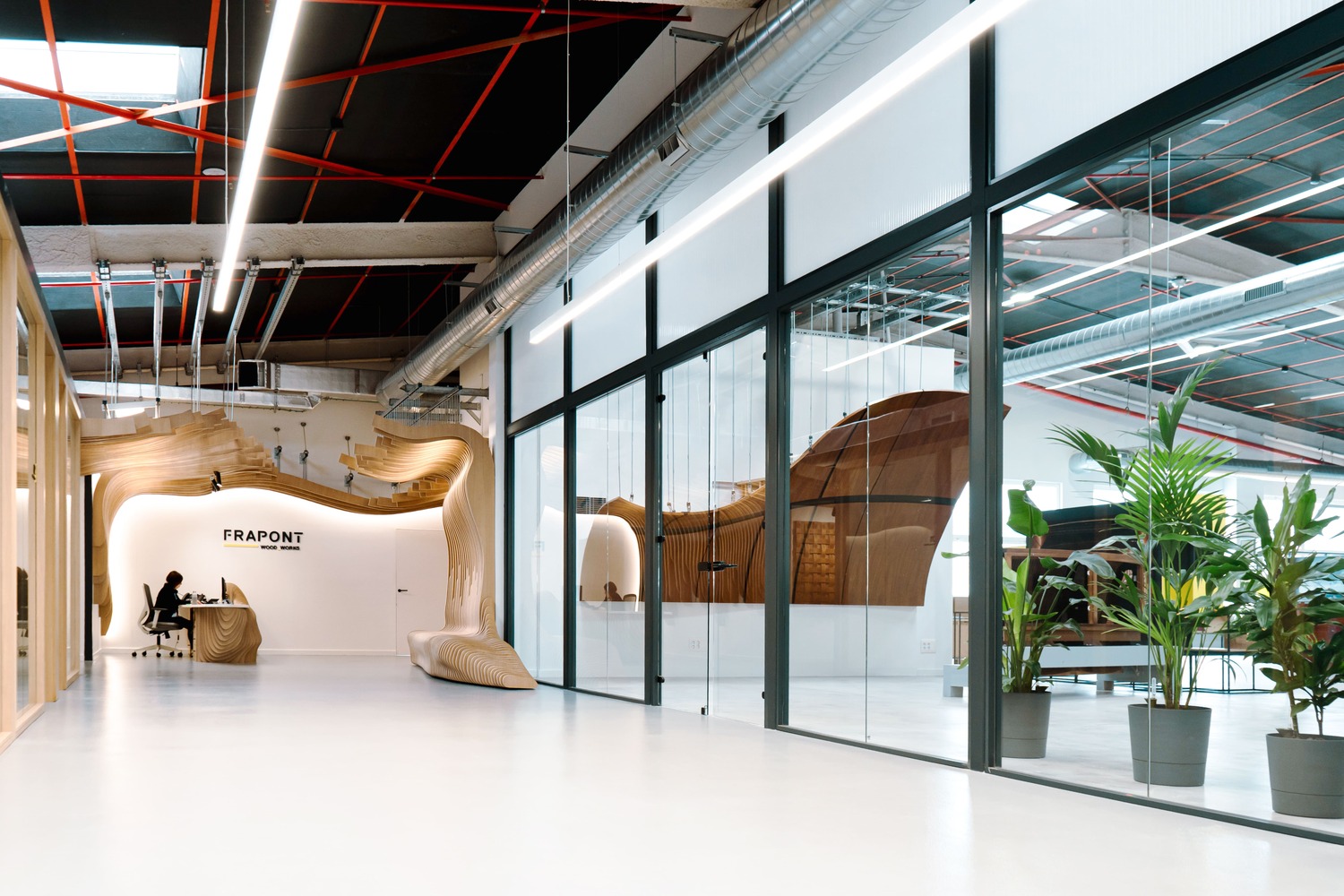
The installations are exposed, eliminating superfluous finishes and emphasizing industrial functionality. This approach extends to the whole intervention, promoting versatility and adaptability for future uses.
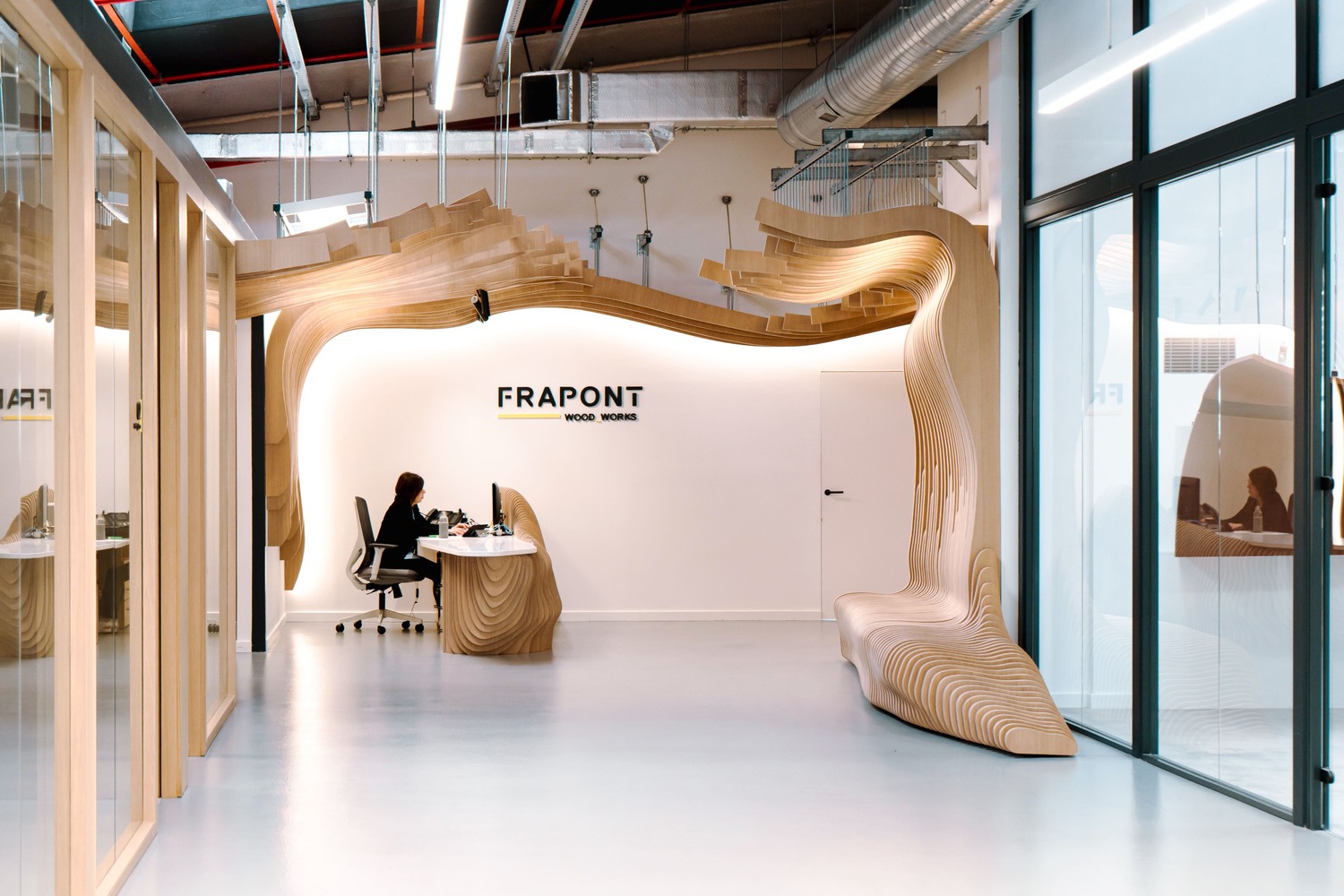
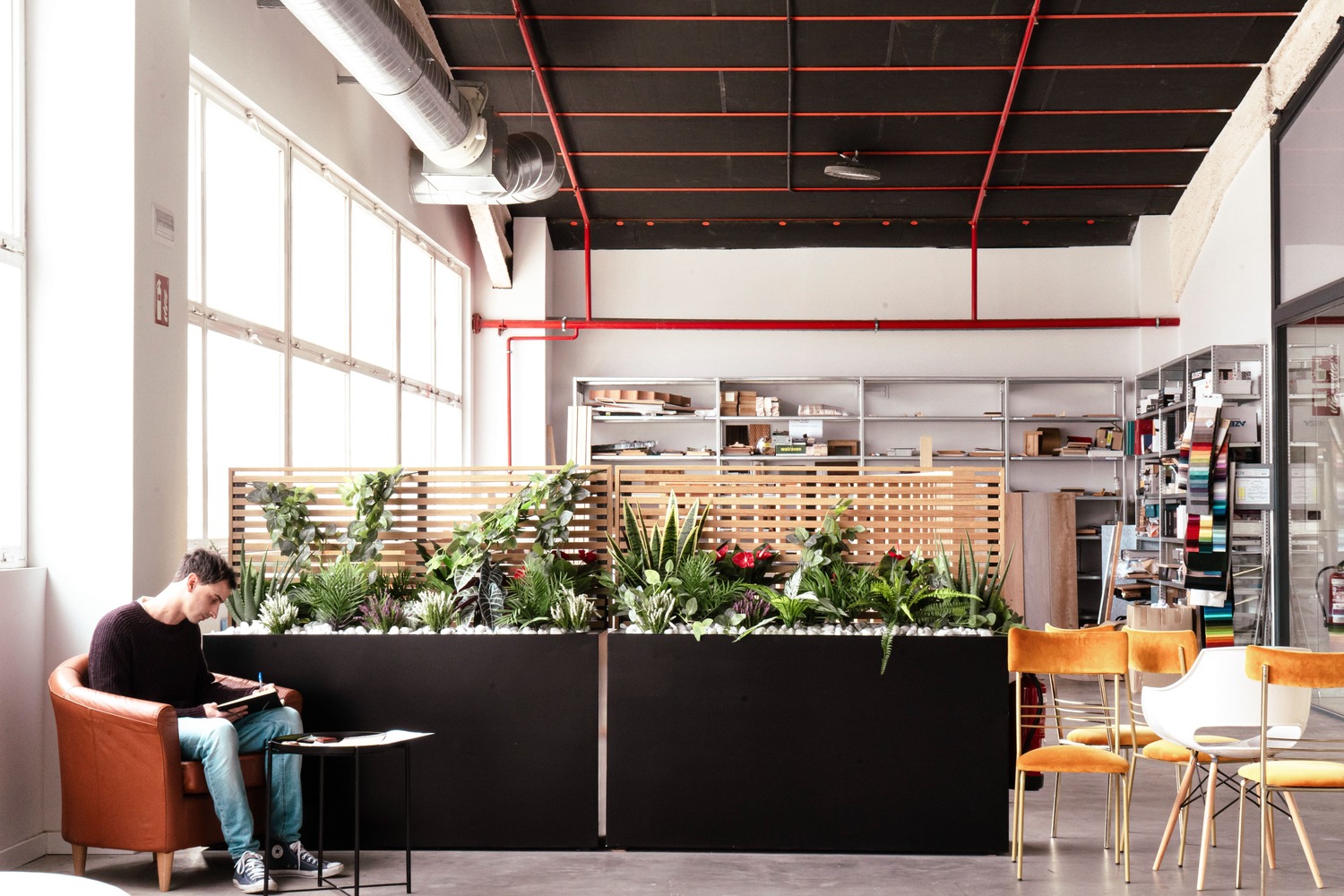
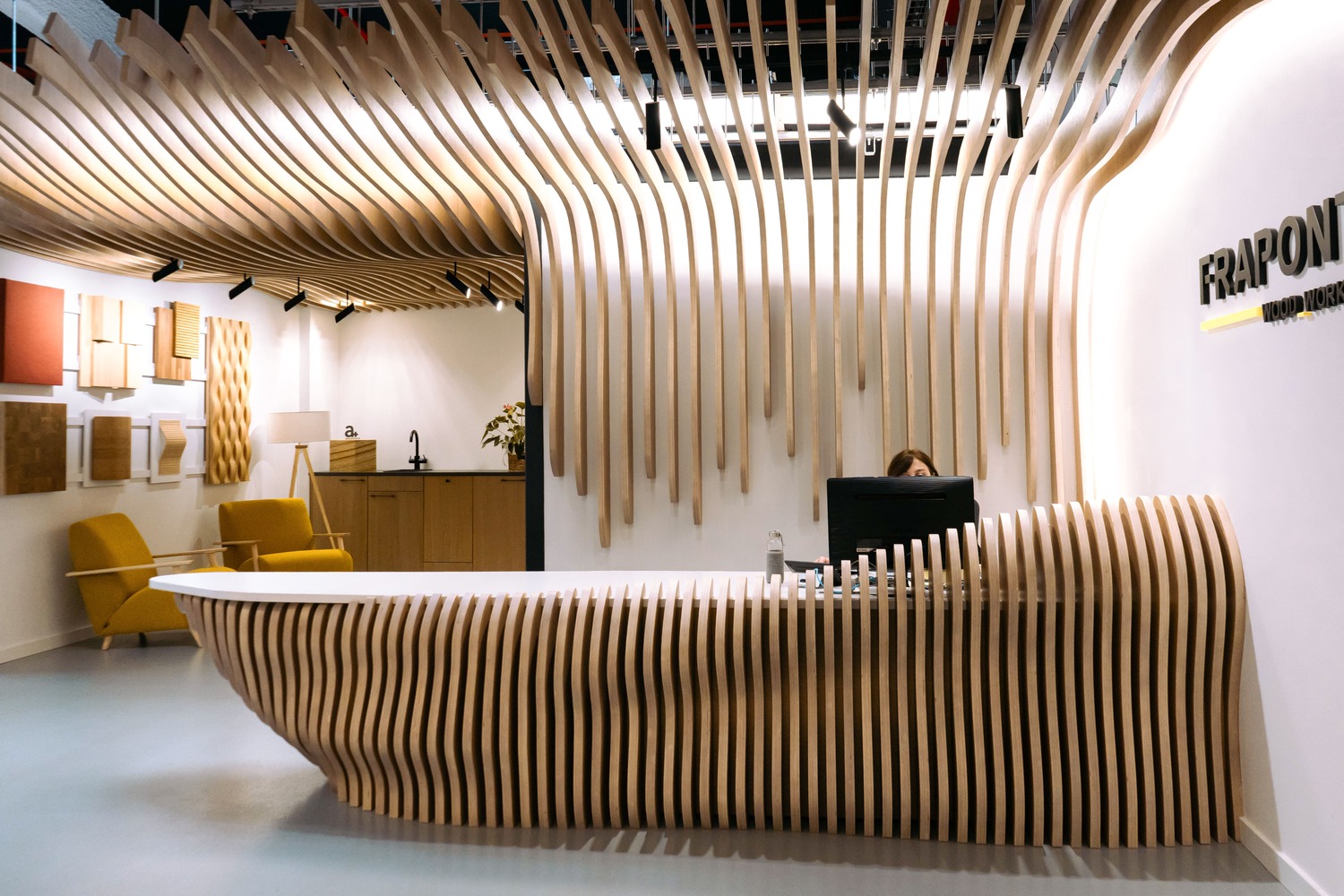
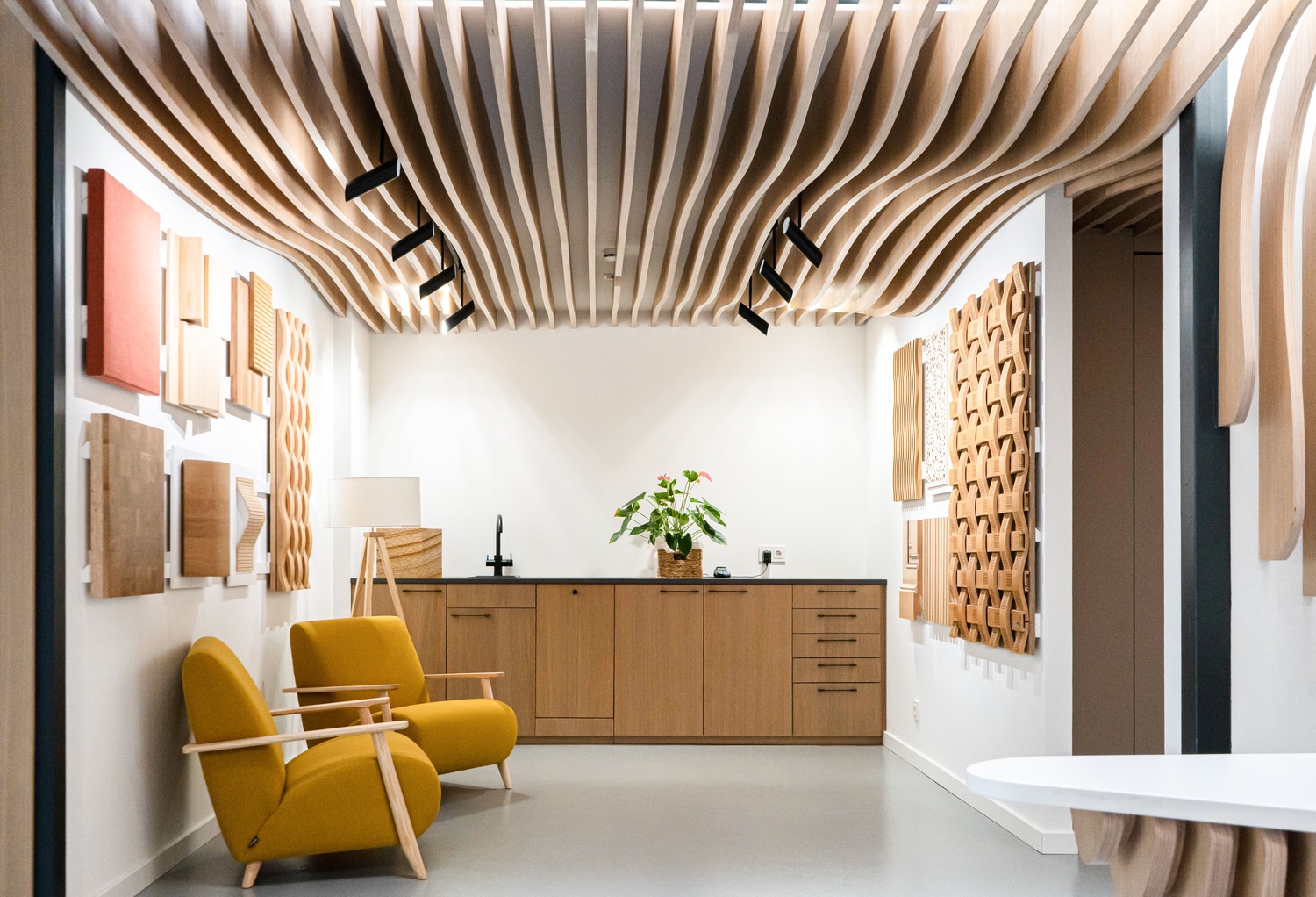
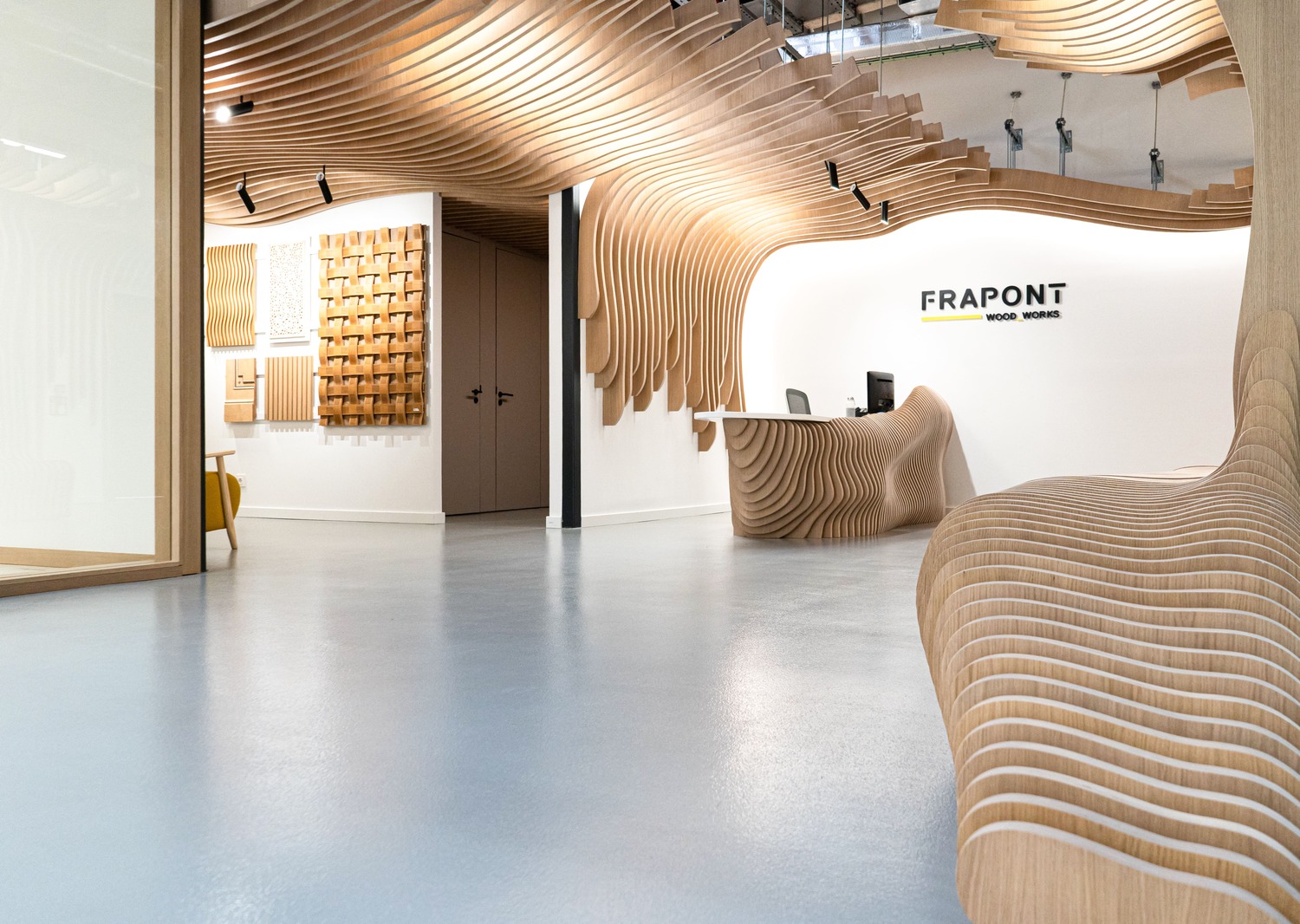
A suspended wooden topography shapes the access and reception area, surrounding and guiding visitors warmly. The showroom and agora area is conceived as a multipurpose space for meetings, presentations, or informal gatherings, also serving as a place to express the company’s values and history.
Sustainability and Circular Economy
One of the project’s key focuses has been material reuse. Components and elements previously stored by Frapont have been repurposed within the space. This strategy not only minimizes environmental impact but also provides a narrative consistent with the company’s identity. Energy efficiency is addressed through passive design: natural light control, cross ventilation, and materials that contribute to the thermal inertia of the space, reducing dependence on active systems.